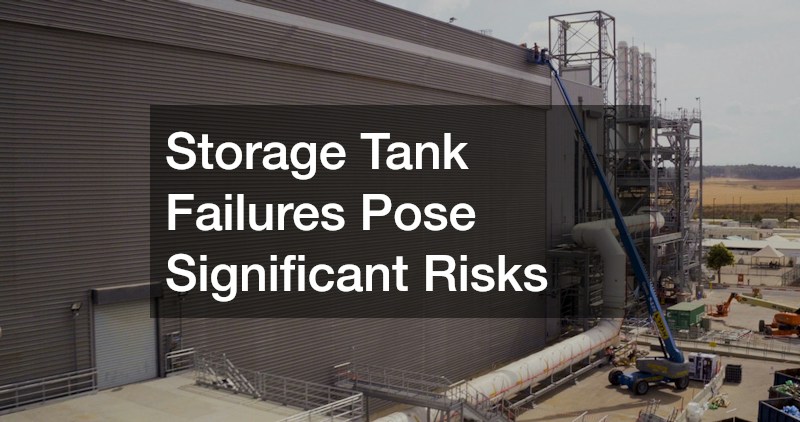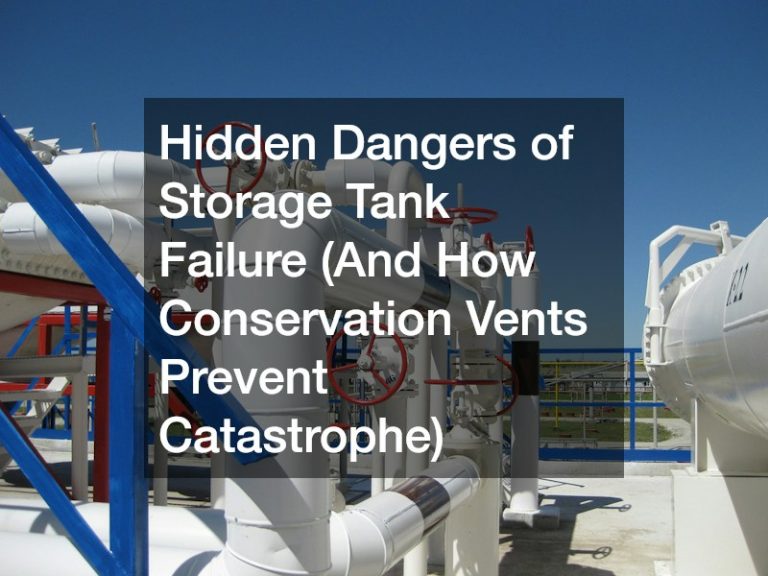
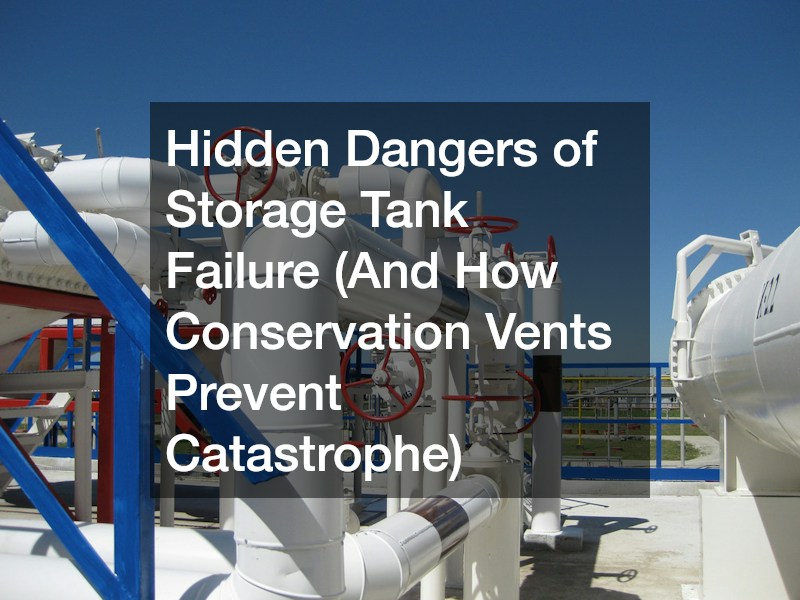
The safety of storage tanks is a critical consideration in industrial and environmental protection. These tanks are designed to hold liquids and gases under pressure, making them vital for numerous sectors, from petrochemicals to agriculture. When these structures fail, the results can be catastrophic, leading to significant environmental damage and health hazards. Significantly, conservation vents play a crucial role in mitigating the risks associated with storage tank failures. This article delves into the hidden dangers of storage tank failures and outlines how conservation vents are instrumental in averting potential disasters.
What Are the Hidden Risks of Storage Tank Failure?
Environmental Impact
Storage tank failures can unleash severe environmental hazards. When a tank ruptures, the contained substances—often hazardous chemicals or fuels—spill into the surroundings. This can cause extensive soil and water contamination, affecting ecosystems and wildlife health. Contaminated water bodies, for instance, can upset aquatic life, killing fish and other organisms. Moreover, the cleanup process is costly and can take years, emphasizing the need for preventive measures such as conservation vents.
The environmental damage from storage tank failures also extends to air quality. Volatile compounds released during a spill can contribute to air pollution, exacerbating issues like smog and acid rain. Emissions of harmful gases such as benzene have long-term effects on both the planet and human health. Conservation vents play a vital role here by regulating and minimizing emissions in the event of a storage failure. This function not only safeguards ecological balance but also promotes sustainable industrial practices.
Health Hazards
Apart from environmental concerns, storage tank failures pose significant health risks. Human exposure to substances leaked from tanks can lead to chronic diseases and immediate health issues. Inhalation of noxious fumes or direct contact with hazardous chemicals can result in respiratory problems and skin injuries. In more severe cases, exposure to toxic chemicals like benzene can increase cancer risk. Conservation vents help in managing these risks by maintaining tank integrity and preventing uncontrolled leaks.
In the aftermath of a storage tank failure, communities near industrial sites are particularly vulnerable. The air and water contamination resulting from a spill can have immediate health impacts on people in the vicinity. Long-term exposure to pollutants can weaken the immune system, disrupt endocrine functions, and impair neurological health. This highlights the need for stringent safety systems, including conservation vents, to minimize the occurrence of such incidents. The implementation of these technologies not only protects human health but also upholds social responsibility in industrial operations.
How Do Conservation Vents Function?
Pressure Regulation
Conservation vents are crucial components of storage tank safety, primarily due to their pressure regulation capabilities. These devices determine the internal and external pressure levels in a tank to prevent structural damage. By allowing the controlled release of gases through a pressure relief mechanism, they keep a tank from experiencing excessive pressure build-up. Properly managing internal pressure not only prevents explosions but also ensures long-term integrity of storage systems. Effectively, these vents act as a preventive measure, maintaining safety regardless of operational conditions or external influences.
Pressure regulation by conservation vents also includes the prevention of vacuum conditions inside storage tanks. When substances are emptied from a tank, vacuums can form, potentially causing the tank to implode. Conservation vents counter this by introducing the appropriate amount of air to stabilize pressure levels. This function is critical during varying operational processes where internal pressure might fluctuate suddenly. Thus, these vents afford an essential layer of protection, keeping operations smooth and secure.
Preventing Emissions
Conservation vents are equally effective at preventing emissions, thus safeguarding environmental quality. By keeping storage tanks sealed and only releasing emissions when absolutely necessary, these vents limit the escape of volatile organic compounds (VOCs). VOCs contribute to air pollution and climate change, so their containment is paramount in achieving regulatory compliance. Conservation vents thereby support industries in meeting strict environmental standards and reducing their overall carbon footprint. This dual function reinforces the vital communication between industrial efficiency and ecological harmony.
Aside from VOC containment, conservation vents help in controlling odors emanating from storage facilities. Some industries store substances with strong, unpleasant odors that, if unchecked, can affect local air quality and community welfare. By controlling vapor discharge, conservation vents help manage these odors within safe levels. This function is particularly relevant for industries operating near residential areas where community relationships are essential. The role of conservation vents, therefore, extends beyond mere compliance, fostering healthier environments and societal coexistence.
Storage tank failures pose significant risks, both environmentally and health-wise, emphasizing the urgent need for effective safety measures. Conservation vents stand out as fundamental components that manage the inherent risks of storage systems by regulating pressure and minimizing emissions. Addressing causes of failures such as material degradation and design flaws through improved systems and innovative technologies further enhances safety protocols. Regular maintenance and technological advancements ensure that storage tanks function optimally and safely, preventing potential disasters. By integrating comprehensive safety strategies, industries can protect both their operational interests and the wider environment.