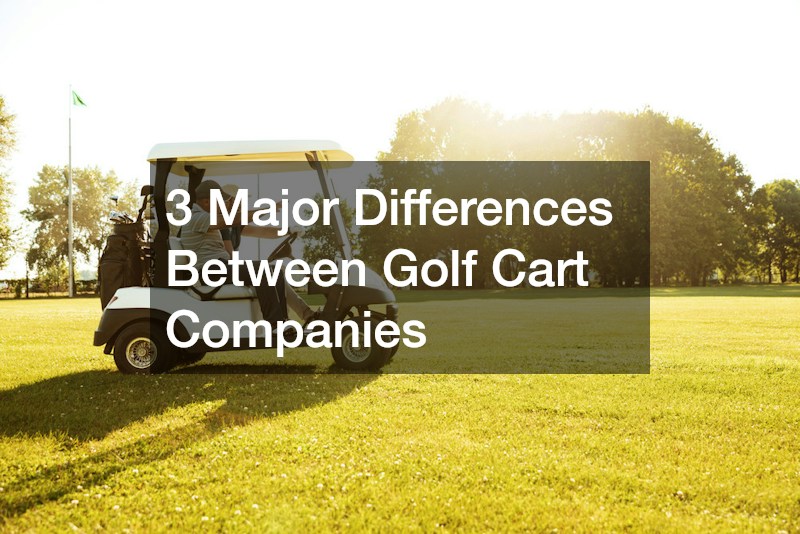
This article will explore the key differences among various golf cart companies, highlighting factors that can influence consumer choice and overall experience. As the market for personal and recreational vehicles expands, the number of options available to consumers can be overwhelming. Understanding these differences is crucial, especially if you are keen on finding a golf cart that meets your specific desires and lifestyle requirements.
We will delve into key features, pricing structures, and the customer support available from some of the industry’s notable players. By exploring these aspects, we aim to provide a comprehensive guide to assist consumers in navigating the competitive golf cart market.
1. What Are the Key Features That Differentiate Golf Cart Brands?
Golf cart brands often distinguish themselves through unique features, catering to diverse consumer needs. Speed, for instance, varies widely; some models are built for leisurely pace while others boast enhanced speed capabilities for quicker transit across large golf courses or private properties. In addition to speed, range is another critical feature; this determines how far a cart can travel on a single charge, which may be pivotal for customers who require longer journeys without frequent recharging. Customization options are also a major differentiator, as they allow consumers to adapt the cart to their specific requirements, from aesthetic tweaks to functional modifications. Ultimately, these key features shape the identities of different brands and have a significant impact on consumer choice.
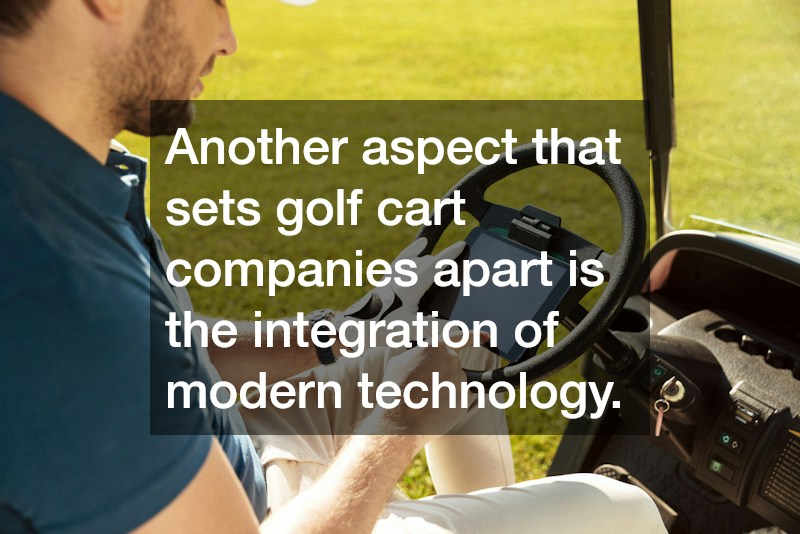
Another aspect that sets golf cart companies apart is the integration of modern technology. For instance, some brands offer state-of-the-art navigation systems and smartphone compatibility, ensuring a tech-savvy ride. Other companies may focus on enhancing safety through advanced features like collision alerts and automatic braking systems. Moreover, environmentally conscious consumers may gravitate towards brands that emphasize sustainability in their design and production processes, such as using recyclable materials or prioritizing electric power to reduce emissions. These technological and eco-friendly innovations appeal to different segments of the market, further differentiating one brand from another.
2. How Do Pricing Structures Vary Among Golf Cart Companies?
The pricing structures across golf cart companies can vastly differ, influenced by the features, brand reputation, and materials used. The upfront cost is usually reflective of the incorporated features; high-end models such as those with luxury interiors or advanced technology, naturally come at a higher price tag. However, it’s not just the initial price that consumers should consider. Financing options, which differ across companies, allow consumers to invest in superior models through manageable payment plans. These financial arrangements can be attractive to customers who may not have the means to make a large upfront payment but desire a high-quality vehicle.
Long-term value is another important aspect of pricing structures, looking beyond the initial purchase price to consider lifetime costs. This includes aspects like energy efficiency, with electric models generally offering lower fuel costs compared to gas-powered counterparts. Additionally, the value of a golf cart over time can be enhanced by durability and reliability, reducing the need for costly repairs and replacements. Depreciation rates also vary across brands; premium brands may retain their value better over time, offering a higher resale value. For a savvy consumer, evaluating the long-term financial implications is as important as considering the upfront costs.
3. What Types of Customer Support and Warranty Options Are Available?
Customer support and warranty options are pivotal in influencing consumer’s purchasing decisions and overall satisfaction with their golf cart. Comprehensive customer support encompasses pre-purchase advice, responsive after-sales service, and technical assistance, all aimed at enhancing the ownership experience. Some companies distinguish themselves by offering 24/7 support lines and flexible service plans that can be tailored to individual needs. A positive customer service experience can significantly bolster consumer confidence and foster brand loyalty, making it a critical differentiator among competitors. Given the technological complexity of modern golf carts, robust support services are more important than ever.
Warranties are equally significant, providing a safety net against manufacturing defects and unforeseen technical issues. The scope and duration of warranty protection can vary noticeably between brands, impacting the perceived reliability and value of a product. Some manufacturers offer extended warranties, covering major components like the battery and motor for several years, which can be a deciding factor for consumers concerned about long-term maintenance costs. In contrast, limited warranties may necessitate additional expenses, turning potential buyers towards more accommodating alternatives. As golf cart technology advances, comprehensive warranties become paramount, ensuring consumers receive lasting value and peace of mind.
Understanding the differences between golf cart companies can aid consumers in making informed decisions that align with their needs and preferences. Whether considering unique features, pricing strategies, or customer support services, each element plays a crucial role in shaping the overall ownership experience. Choosing the right golf cart requires a thoughtful evaluation of personal priorities, be it technological advanced options, financial terms or assurance of long-term support. By exploring these key differences, consumers can better navigate the diverse marketplace and select a brand that aligns with their lifestyle and expectations. Ultimately, doing so ensures a satisfactory and enjoyable journey, be it on the green or beyond.