A serious car crash can shake more than your car, it can shake your sense of safety every time you sit behind the wheel. It is completely normal to feel your hands tremble at intersections, avoid highways, or replay the moment of impact long after the physical injuries begin to heal. Rebuilding trust in yourself as a driver takes time, patience, and a plan. This guide walks through practical steps to help you feel steady on the road again, while also covering the parts of recovery that people often overlook.
Recognize the Emotional Aftermath of a Crash
The days and weeks following a serious accident often bring a mix of fear, guilt, irritability, and hypervigilance that can catch survivors off guard. These reactions are the mind’s way of processing a traumatic event, and they are far more common than most people realize. Some drivers notice a racing heart at the sound of screeching brakes nearby, while others avoid driving altogether. Naming these feelings as normal responses to trauma, rather than signs of weakness, is the first step toward working through them.
It helps to understand that emotional recovery rarely follows a straight line. You might feel confident one day and shaky the next, especially if you pass the crash site or drive in similar weather conditions. Tracking your triggers can make patterns easier to spot and manage over time.
- Sudden anxiety at stoplights or intersections similar to the crash location
- Avoidance of highways, night driving, or bad weather
- Intrusive memories or flashbacks while behind the wheel
- Physical symptoms like sweating, nausea, or a racing pulse before driving
Ease Back Into Driving With Small Steps
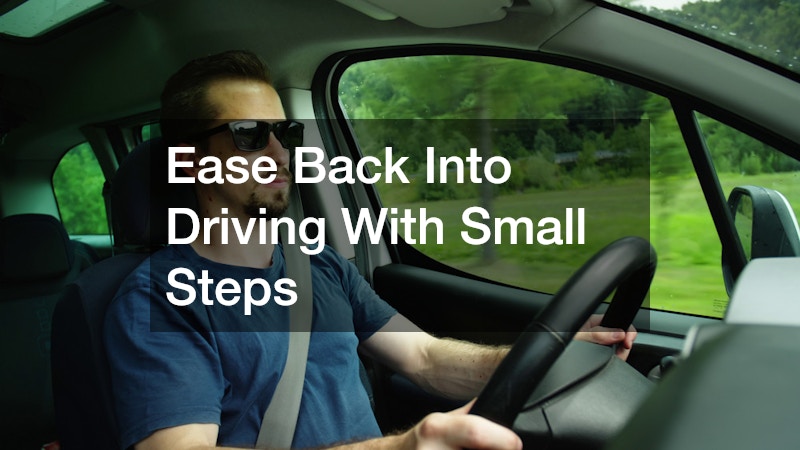
Jumping straight back into a long commute or heavy traffic can overwhelm a nervous system that is still on high alert. A gradual approach works better for most people, starting with short, low-stress drives in familiar areas during daylight hours. As comfort builds, you can slowly add distance, traffic, and new routes to your practice.
Bringing a trusted friend or family member along for early drives can also ease the pressure. Their calm presence often makes it easier to focus on the road instead of anxious thoughts. Over several weeks, most drivers notice their confidence returning in measurable, steady increments.
- Start with quiet residential streets before attempting busy roads
- Practice during off-peak hours to reduce traffic-related stress
- Set small, achievable goals like driving to the grocery store and back
- Celebrate progress instead of focusing on setbacks
Address Physical Injuries That Affect Driving Confidence
Lingering pain, stiffness, or reduced range of motion from a crash can make ordinary driving tasks feel unfamiliar and even risky. Neck injuries can limit your ability to check blind spots, while leg or back injuries may slow your reaction time on pedals. Working with a physical therapist or doctor to address these limitations directly can restore both function and confidence. Ignoring physical symptoms often prolongs anxiety, since the body and mind are closely linked in how they process fear behind the wheel.
It is also worth having your vehicle checked to make sure any adaptive equipment, mirrors, or seat adjustments match your current physical needs. Small changes, like a wider mirror or a supportive cushion, can make a noticeable difference in comfort and control.
Consider Professional Support for Trauma Recovery
Some drivers find that fear and anxiety linger well beyond what self-guided strategies can resolve, and that is a sign it may be time to talk to a professional. Therapists who specialize in trauma, particularly those trained in cognitive behavioral therapy or EMDR, have strong track records helping crash survivors regain a sense of control. These approaches work by gradually reprocessing the traumatic memory so it no longer triggers the same intense physical response.
Support groups for accident survivors can also be valuable, offering a space to hear from others who understand exactly what you are experiencing. Feeling less alone in the recovery process often speeds up emotional healing. There is no set timeline for this work, and seeking help is a proactive step rather than a last resort.
- Look for therapists experienced in treating driving-related trauma
- Ask your doctor for referrals to trauma specialists in your area
- Explore local or online support groups for crash survivors
- Track your progress with a journal to notice gradual improvement
Handle the Practical and Legal Aftermath of a Crash
Confidence behind the wheel is easier to rebuild once the practical loose ends of a crash are actually resolved. Unpaid medical bills, insurance disputes, and lingering questions about fault can keep stress levels high long after the physical wounds start to heal. Many survivors find it useful to consult a personal injury lawyer to understand their rights regarding compensation for medical care, lost wages, and vehicle repairs. Having a clear picture of your legal standing can remove a significant source of background anxiety that quietly affects everyday life, including your comfort on the road.
If the crash involved a disputed fault determination or a serious injury, working with car accident lawyers who focus specifically on collision cases can help you avoid common pitfalls with insurance companies. These cases often involve negotiating with adjusters who are motivated to minimize payouts, which can feel overwhelming to handle alone. Getting professional guidance early tends to lead to better outcomes and less added stress during an already difficult time.
Build Long Term Habits That Reinforce Safe Driving
Once the initial fear starts to fade, it helps to establish habits that keep both your skills and your mindset sharp over the long run. Defensive driving courses are widely available and can refresh skills while also rebuilding a sense of competence and control. Many insurance companies even offer discounts for completing one, which adds a practical incentive alongside the confidence boost.
If lingering symptoms interfere with daily life or if new medical issues surface months after the crash, consulting an injury attorney can help ensure you are not left covering costs that should have been part of your original settlement. Statutes of limitations vary by state, so it is worth understanding your timeline early rather than waiting until problems escalate. Pairing this legal awareness with ongoing self-care creates a more complete recovery, one that protects both your wellbeing and your future.
- Take a refresher defensive driving course
- Keep your vehicle well maintained to reduce mechanical worries
- Practice mindfulness or breathing techniques before long drives
- Revisit your insurance policy to confirm adequate coverage going forward
Recovering your confidence after a serious crash is rarely quick, but it is absolutely achievable with patience, support, and the right resources. Focus on small, consistent progress rather than expecting instant comfort behind the wheel. Address both the emotional and practical sides of recovery, since unresolved stress in one area often shows up in the other. With time, the right help, and a steady approach, driving can feel familiar and safe again.