A serious injury can upend more than your physical health, it can quietly dismantle the routines, roles, and sense of identity you built your life around. One day you have a job, hobbies, and a rhythm to your week, and the next you are relearning how to move, work, and think about your own future. Rebuilding a sense of purpose after that kind of disruption is not about bouncing back to exactly who you were before, it is about finding a new footing. This article walks through practical, grounded steps for reconstructing a meaningful daily life while you heal.
Understanding What Recovery Actually Disrupts
An injury rarely affects just the body part that got hurt. It often reshapes your work schedule, your social calendar, your finances, and the small daily habits that gave you a sense of control. Recognizing all the layers of disruption helps you stop blaming yourself for feeling unmoored, because the loss is real and multidimensional, not imagined.
Many people underestimate how much identity is wrapped up in routine until that routine disappears. A morning commute, a regular workout, or even the satisfaction of cooking dinner after work can become sources of grief when they are suddenly gone. Naming these losses specifically, rather than lumping them into vague frustration, makes them easier to address one at a time.
- Physical routines like exercise, commuting, or manual work tasks
- Social routines such as team lunches, sports leagues, or regular visits with friends
- Financial routines including a steady paycheck or predictable expenses
- Mental routines like problem-solving at work or creative outlets
Rebuilding a Daily Structure That Fits Your New Reality
Once the initial shock of injury passes, an unstructured day can feel more exhausting than a busy one, because there is nothing to anchor your energy or attention. Building a loose daily schedule, even a simple one with wake times, meals, and short activities, gives your brain something to organize around. This structure does not need to resemble your old life, it just needs to give your day shape.
Start small and be realistic about your current capacity rather than your former one. Trying to replicate a pre-injury schedule too quickly often leads to frustration or setbacks, while a gradual approach builds confidence through small, repeatable wins.
- Set a consistent wake and sleep time, even if your days feel unstructured otherwise
- Break tasks into short blocks with rest built in between
- Include one small enjoyable activity daily, not just obligations
- Track progress loosely with a notebook or app to see gradual improvement
Reconnecting With Work and Financial Stability
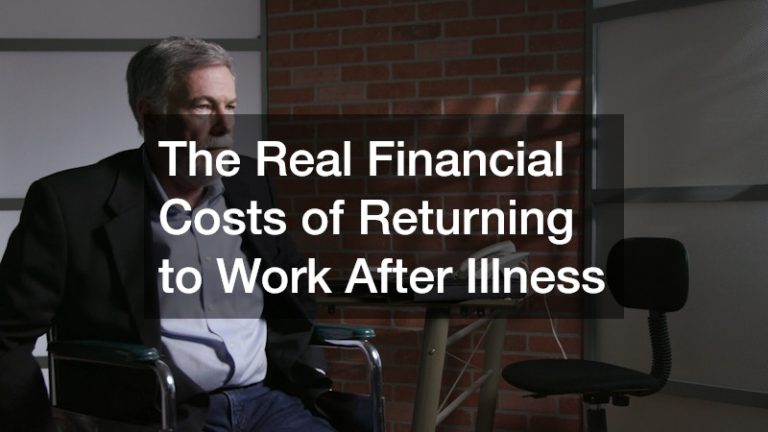
For many people, work is not just income, it is a major source of identity and purpose, so losing the ability to do a job as before can feel destabilizing. Talking early with employers about modified duties, reduced hours, or a phased return can preserve both your finances and your sense of contribution. It is also worth understanding your legal options if the injury happened due to someone else’s negligence, since medical bills and lost wages can add up quickly.
If the injury resulted from a crash, consulting a car accident lawyer can help clarify what compensation might be available for lost income, ongoing treatment, and long-term changes to your earning capacity. Many people avoid this step because they assume it is only for catastrophic cases, but even moderate injuries can create financial strain worth addressing properly. Getting clear answers early often reduces the anxiety that comes from not knowing where you stand financially.
- Ask your employer about temporary modified duties or remote work options
- Review disability benefits through work, if available
- Keep documentation of missed work and medical appointments
- Get a professional opinion on potential compensation before settling any claims
Finding New Sources of Meaning Beyond Old Hobbies
Some injuries permanently rule out activities you once loved, whether that is a sport, a physically demanding hobby, or travel. Grieving that loss is normal and necessary, but it does not mean meaning is gone for good. Many people discover new interests during recovery that they never would have explored otherwise, from writing and art to mentoring others facing similar challenges.
The key is staying curious rather than assuming purpose only looks like it did before. Trying low-pressure, low-cost activities during recovery gives you room to experiment without the fear of failing at something important.
- Explore adaptive versions of favorite hobbies with modified equipment or techniques
- Try creative outlets like drawing, writing, or music that require less physical strain
- Volunteer in ways that match your current energy and mobility levels
- Join recovery or hobby-based communities online or in person
Protecting Your Rights While You Focus on Healing

Recovery takes enough energy without also fighting alone over medical bills, insurance disputes, or unclear liability. If another party caused your injury, whether through a vehicle collision, unsafe property, or workplace negligence, understanding your legal standing can prevent added stress later. Insurance companies often move quickly to settle claims for less than they are worth, especially when someone is still in the early, uncertain stages of recovery.
A personal injury lawyer can help evaluate the full scope of your damages, including future medical needs that are easy to underestimate in the first few months. This is not about turning recovery into a legal battle, it is about making sure the practical burden of healing does not fall entirely on your shoulders when someone else bears responsibility. Having this handled properly early on frees up mental space to focus on the parts of recovery only you can do.
- Keep all medical records and bills organized from day one
- Avoid signing insurance settlements before understanding long-term costs
- Ask about statutes of limitations that may apply to your case
- Consider a consultation even if you are unsure whether you have a claim
Coping With Common Physical Setbacks After a Collision
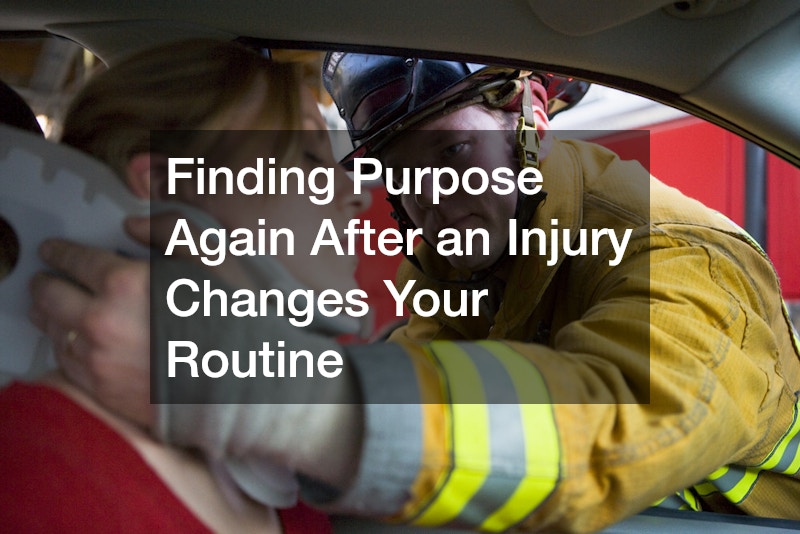
People recovering from vehicle-related trauma often deal with a mix of visible and invisible injuries, from fractures and soft tissue damage to chronic pain or reduced mobility. These car accident injuries can limit daily function long after the initial event, making patience and realistic expectations essential parts of the healing process. Working closely with physical therapists and specialists helps track progress accurately instead of relying on guesswork.
It also helps to distinguish between short-term limitations and permanent changes, since the two require different mindsets. Short-term limitations call for patience and consistent rehab work, while permanent changes call for adapting routines and goals around new physical realities rather than fighting against them indefinitely.
- Follow prescribed rehab schedules even when progress feels slow
- Report new or worsening symptoms promptly rather than waiting them out
- Ask your care team about realistic recovery timelines for your specific injury
- Build rest days into any return-to-activity plan
Rebuilding purpose after an injury is rarely a straight line, but it is possible with patience, honest self-assessment, and the right support around you. Start small by restoring basic structure to your days, then gradually expand into work, hobbies, and relationships as your capacity allows. Do not overlook the practical and legal side of recovery either, since protecting your finances and rights frees up energy for the personal work of healing. Take the next step today, whether that is scheduling a rehab session, trying a new low-pressure activity, or getting a professional opinion on your situation.