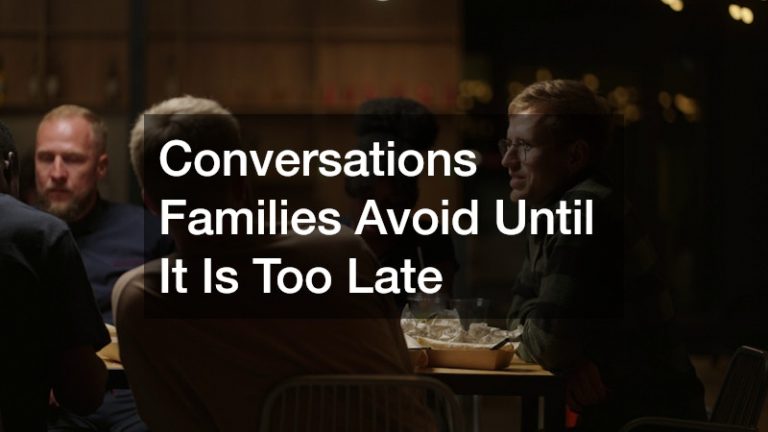

In an age of video calls and instant messaging, it might seem surprising that some of the biggest business decisions still happen over a shared meal. Yet dinner meetings remain one of the most effective ways to build trust, read a person’s true intentions, and move a stalled deal forward. If you are trying to understand why this old-school approach still works, or you are preparing for your own client dinner, it helps to know exactly what makes these evenings so persuasive. This article breaks down the psychology, logistics, and etiquette behind the business dinner so you can walk into your next one prepared.
The Psychology Behind Breaking Bread with Clients
Sharing a meal triggers a different part of the brain than sitting across a conference table. Eating together lowers defenses, encourages reciprocity, and signals that both parties are willing to invest time beyond a formal agenda. Researchers who study negotiation have long noted that people are more cooperative and more honest when food is involved, partly because the ritual of dining feels personal rather than transactional.
This is why so many major agreements, from mergers to long-term partnerships, get their real momentum outside the boardroom. A dinner setting removes the pressure of a ticking clock and gives both sides room to ask questions they might otherwise avoid. That relaxed pace often reveals more about a potential partner’s character than any slide deck ever could.
Choosing a Setting That Sets the Right Tone
The venue you pick sends a message before anyone even orders. A loud, trendy spot might suggest energy and ambition, while a quiet, established dining room signals stability and attention to detail. Matching the setting to the client’s personality and the stakes of the deal is one of the most overlooked parts of meeting preparation.
Many professionals now spend real time researching best restaurants in their city specifically for client entertaining, looking beyond reviews to consider noise levels, table spacing, and how attentive the staff are to reservations. A restaurant that rushes courses or seats guests too close to strangers can undercut an otherwise well-planned meeting. The goal is a space where conversation can flow without interruption, and where the client feels genuinely looked after.
- Look for private or semi-private seating options for sensitive discussions
- Ask about average table turnover time so the evening does not feel rushed
- Check the wine and menu variety in advance to accommodate dietary needs
- Consider proximity to the client’s hotel or office to reduce travel stress
Timing the Conversation Around the Meal
Skilled hosts know that business should never dominate the appetizer course. The first fifteen to twenty minutes are best spent on genuine conversation, catching up on personal updates, travel, or shared interests, before easing into work-related topics. Rushing straight into negotiations can make the client feel like the dinner was only ever a formality.
A useful rhythm is to let the main course arrive before introducing any serious business points, since by then everyone is more settled and comfortable. Dessert or coffee is often the best moment to summarize next steps, since the meal’s natural winding-down mirrors the winding-down of a conversation. This pacing feels organic rather than scripted, which is exactly why it works so well.
Reading Body Language and Building Rapport
A dinner table offers a front-row seat to nonverbal cues that a video call simply cannot capture. How someone treats the waitstaff, how they react to a menu mistake, or whether they relax as the evening goes on all provide honest signals about character and reliability. These small moments often tell you more about a future business partner than their pitch deck ever will.
- Notice whether they make consistent eye contact during casual conversation
- Watch how they handle small inconveniences, like a delayed order
- Pay attention to how open their posture becomes as the meal progresses
- Observe whether they ask questions about you or only talk about themselves
Thoughtful Gestures That Extend Beyond the Table

The impression a dinner leaves does not have to end when the check arrives. Many relationship-focused professionals follow up major meetings with a small gesture of appreciation, and this is where details outside the meal itself start to matter. A handwritten note, a thoughtful email referencing something specific from the conversation, or a small delivery the next day can all reinforce that the relationship matters beyond the transaction at hand. Sending floral deliveries to a client’s office the next morning, for instance, is a simple way to reinforce warmth and professionalism without feeling excessive. The key is proportion: an arrangement that’s elegant rather than showy signals thoughtfulness, not an attempt to buy favor. Timing matters too — arriving within 24 hours keeps the gesture feeling spontaneous and connected to the dinner, rather than like an afterthought. Other gestures can work just as well depending on the relationship. A curated gift box featuring local specialties, a book related to something discussed at the table, or even a simple follow-up call to thank the client for their time can achieve the same effect. What matters most is that the gesture feels personal rather than transactional, showing that the professional was paying attention rather than following a script. These small touches also serve a practical purpose. They give the professional a natural reason to re-engage the client soon after the meeting, keeping momentum alive while the conversation is still fresh. In an era of digital-only communication, a physical gesture — however modest — tends to stand out precisely because it’s rare.
These gestures work best when they are personal rather than generic. Paying attention to details mentioned during dinner, like a favorite flower, a child’s graduation, or an upcoming anniversary, adds sincerity that a generic gift basket never could. A handwritten note referencing the specific conversation often carries more weight than an expensive item, since it proves someone was actually listening. Sensitivity matters just as much as attentiveness, especially when a client mentions hardship rather than celebration. Even something as understated as arranging for a memorial arrangement or a headstone inscription consultation for a client dealing with a personal loss shows a level of care that goes far beyond business. These moments require discretion, so a quiet follow-up call or a private note usually lands better than a public gesture at the office. Clients tend to remember that kind of attentiveness long after the deal is signed, often more than they remember the pitch itself. The key is restraint, since a thoughtful gesture should feel like genuine consideration, not an attempt to buy goodwill. Keeping the gesture proportional to the relationship, and free of any expectation attached, is what separates real care from a transaction in disguise.
Dinner meetings endure because they combine strategy with humanity, giving both sides a chance to connect as people before finalizing anything as businesses. If you are planning your next client dinner, start by choosing a setting that fits the relationship, pace the conversation naturally, and pay attention to the small signals that reveal character. Follow through with a thoughtful gesture afterward, and you will find that the deal often feels sealed long before anyone puts pen to paper.