
Every parent wants their child to grow up with a healthy smile, but turning brushing and flossing into a genuine habit rather than a daily battle can feel impossible. The good news is that lifelong oral health habits are built through small, consistent choices rather than perfection. When you understand what actually works at each age and stage, you can skip the power struggles and set your child up for decades of healthy teeth. This guide walks through practical, research-backed strategies that real families can stick with.
Starting Brushing Routines Before the First Tooth Appears
Oral care habits actually begin before a single tooth breaks through the gums. Wiping an infant’s gums with a soft, damp cloth after feedings gets babies comfortable with the sensation of having their mouth touched, which makes the transition to brushing far smoother later on. Once the first tooth appears, switching to a tiny, soft-bristled toothbrush with a rice-grain amount of fluoride toothpaste keeps things simple and low-pressure.
Consistency matters more than technique at this early stage. Parents who build brushing into the same two moments every day, right after breakfast and right before bed, create a routine that feels automatic rather than optional as the child grows.
- Use a clean, damp washcloth for newborn gum care
- Introduce a soft, tiny-bristled brush at the first tooth
- Stick to a rice-grain amount of fluoride toothpaste until age three
- Keep brushing times consistent, morning and night
Turning Toothbrushing Into a Fun Daily Ritual
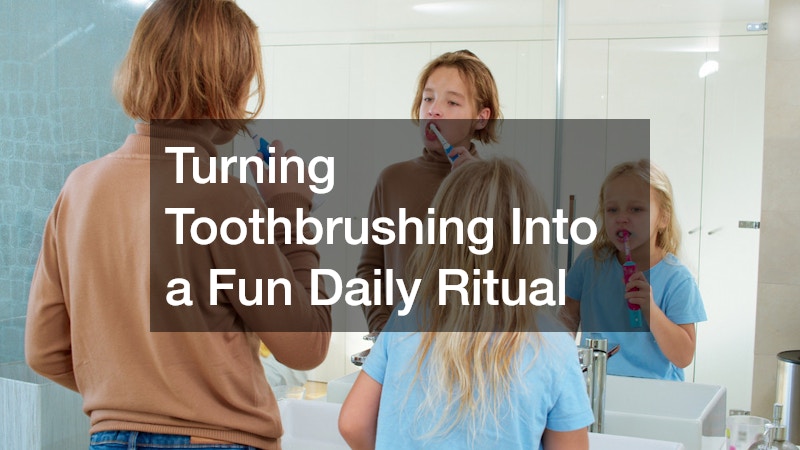
Toddlers and preschoolers resist brushing largely because it feels imposed rather than chosen. Giving kids some control, like picking their own toothbrush character or choosing which song plays during the two-minute brush, turns a chore into something they look forward to. Timers, brushing apps, and simple call-and-response games can also make the routine feel like play instead of a rule.
Modeling matters just as much as motivation. When children regularly see parents or older siblings brushing and flossing without complaint, they absorb the idea that oral care is simply part of a normal day rather than a punishment.
- Let kids choose their toothbrush color or character
- Use a two-minute song or app timer to keep it fun
- Brush alongside your child so they see the habit modeled
- Praise effort, not just perfect technique
Choosing Snacks and Drinks That Protect Growing Teeth
What kids eat and drink between meals has a huge effect on cavity risk, often more than brushing alone can offset. Sticky, sugary snacks like fruit gummies and dried fruit cling to teeth far longer than a piece of fresh fruit or cheese would, giving bacteria more time to produce enamel-eroding acid. Water should be the default drink between meals, since juice and flavored milk both introduce steady sugar exposure throughout the day.
Timing snacks around meals rather than grazing constantly also gives saliva a chance to naturally rinse and neutralize acids in the mouth. Teaching kids this connection early, in simple terms they can understand, helps them make smarter choices as they get older and start managing more of their own food decisions.
- Offer cheese, nuts, or fresh vegetables instead of sticky sweets
- Keep juice and soda as occasional treats, not daily staples
- Encourage water as the primary between-meal drink
- Limit grazing so saliva has time to neutralize acid
Scheduling Regular Visits With a Children’s Dental Provider
Even with a solid home routine, professional checkups catch issues that are invisible to the naked eye—early enamel decay, spacing problems, or bite issues that will affect how permanent teeth come in. Most pediatric guidelines recommend a first visit to the dentist around the child’s first birthday, or within six months of the first tooth appearing, with follow-up checkups every six months after that. That first visit is less about a thorough exam and more about setting a positive tone. The dentist will typically check for early decay, talk with parents about teething, thumb-sucking, and bottle habits, and demonstrate proper brushing technique. Some practices also apply fluoride varnish at this stage as an extra layer of cavity protection. As kids get older, twice-yearly visits allow the dentist to track jaw growth, monitor for cavities between teeth that a home routine might miss, and catch orthodontic concerns before they become bigger problems. Sealants applied to molars around age six are another common preventive step worth asking about. Regular visits also give kids repeated, low-stakes exposure to the dental office, which builds comfort instead of fear over time. Choosing a pediatric-focused practice—one with a kid-friendly waiting room, staff trained in child behavior management, and a patient, unhurried approach—can make a meaningful difference in whether a child dreads or tolerates these appointments.
Most dentists recommend a first visit by age one and a checkup every six months after that, so consistency matters more than people realize. Choosing a provider who practices comprehensive general dentistry, rather than one who only handles emergencies, means your child’s cleanings, sealants, and cavity checks can all happen in one familiar, trusted setting. That continuity helps both the child and the parent build a real relationship with the practice rather than starting over with a new provider every time something comes up. Kids who see the same hygienist and dentist twice a year tend to feel less anxious about appointments, since the faces, the chair, and even the waiting room toys become predictable rather than intimidating. A general dentistry practice can also track your child’s development over time, spotting things like emerging bite issues, thumb-sucking effects, or early signs of decay before they become bigger problems. When one provider has the full history on file, there’s no need to re-explain past treatments or repeat X-rays unnecessarily, which saves both time and money. It’s also worth considering practical factors when choosing a provider: office hours that fit your schedule, proximity to home or school, and whether they offer sedation options for anxious kids or those needing more extensive work. A practice that grows with your child, from toddler checkups through teenage orthodontic referrals, spares you the hassle of switching providers right when a strong routine has finally taken hold.
- Schedule the first dental visit by age one, or within six months of the first tooth erupting, whichever comes first
- Book checkups and cleanings every six months to catch cavities early and reinforce good habits
- Ask about protective sealants once molars come in, usually around age 6 and again around age 12
- Discuss fluoride treatments at cleanings, especially if your child is prone to cavities or drinks mostly bottled water
- Stick with one consistent practice for continuity of care, so the provider can track growth patterns and catch issues early
- Look for a pediatric dentist or family provider experienced with kids, since a comfortable first experience shapes lifelong attitudes toward dental visits
Preparing Anxious Kids for a Calm and Positive Appointment
Some children need extra support to feel safe in a dental chair, especially if they’ve had a difficult experience before or are naturally sensitive to new environments. Talking through what will happen in simple, non-scary language, practicing “open wide” at home, and reading books about dental visits can all lower anxiety before the appointment even starts. Bringing a comfort item, like a small stuffed animal, also gives an anxious child something familiar to hold onto.
For kids with significant anxiety, sensory sensitivities, or extensive treatment needs, some families find that offices working with sedation dentists make a real difference in getting necessary care completed without trauma. This option is typically reserved for specific situations rather than routine cleanings, so it’s worth discussing directly with the provider about what’s appropriate for your child’s individual needs.
- Use simple, calm language to describe the visit beforehand
- Practice “open wide” and counting teeth at home as a game
- Bring a comfort item to the appointment
- Ask the office about options for children with high anxiety or extensive needs
Building habits that last a lifetime doesn’t require perfection, just steady repetition, positive associations, and the right professional support along the way. Start with whichever step feels most manageable this week, whether that’s swapping out a sugary snack or finally booking that overdue checkup. Small, consistent choices now are what turn oral care into an automatic, lifelong habit rather than a constant negotiation.