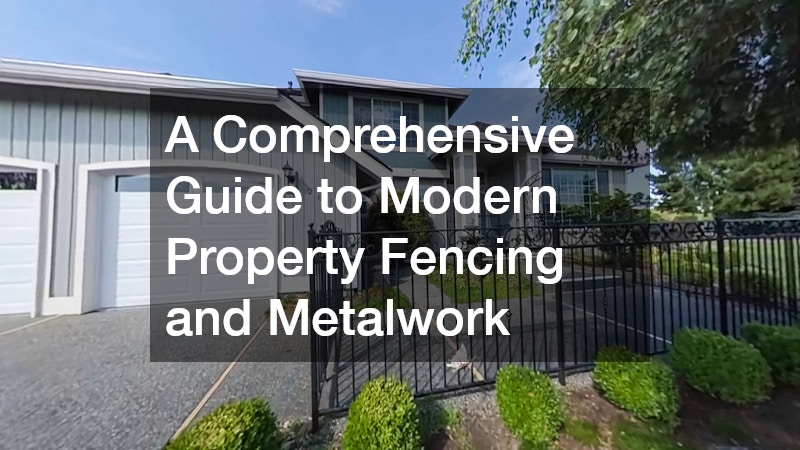
Securing and beautifying a property requires balancing physical safety, architectural elegance, and long-term structural durability. Whether defining residential property lines, enclosing a commercial facility, or installing safety barriers along elevated decks, the materials and installation methods chosen play a crucial role in overall performance.
Over time, exposure to rain, extreme temperatures, ground shifting, and heavy daily use test the limits of perimeter structures. Poorly engineered metalwork can rust or sag, while improperly installed boundary enclosures risk leaning or rotting long before their expected lifespan ends. Investing in quality craftsmanship and selecting the right materials for specific environmental conditions protects real estate value and reduces ongoing maintenance costs.
This guide provides an in-depth exploration of modern boundary systems and custom architectural installations. From high-grade fabrication techniques to low-maintenance material alternatives, this resource offers practical guidance for homeowners, property managers, and developers seeking to execute seamless exterior upgrades.
Foundations of Custom Structural and Architectural Metalwork
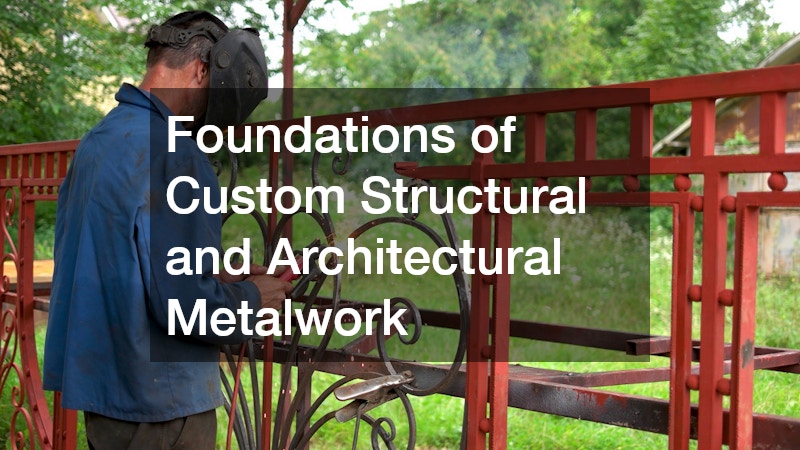
The foundation of high-end exterior design rests on raw material quality, precise engineering, and specialized fabrication methods. Custom metal elements provide unmatched strength, allowing for slender visual profiles that support heavy loads while withstanding harsh outdoor elements.
Principles of Custom Structural Design and Material Selection
Selecting the proper alloy is the initial step in creating long-lasting exterior structures. Carbon steel, stainless steel, aluminum, and wrought iron each possess distinct characteristics regarding weight, tensile strength, and corrosion resistance.
-
Carbon steel offers exceptional structural rigidity for heavy-duty entry gates and structural frames, but requires high-performance protective coatings to prevent rust.
-
Aluminum provides a lightweight, naturally corrosion-resistant alternative ideal for humid environments and coastal properties exposed to salt air.
-
Stainless steel delivers superior strength and built-in resistance to oxidation, making it suitable for modern architectural accents and harsh industrial settings.
-
Wrought iron delivers a timeless, heavy aesthetic with high malleability, allowing for intricate ornamental scrollwork and custom hand-forged details.
-
Material gauge and wall thickness must be calculated based on structural load requirements, wind exposure, and overall span length to prevent sagging over time.
Understanding how precision metal working techniques shape raw alloys allows designers and fabricators to transform industrial materials into refined, highly functional architectural elements.
Engineering Custom Architectural Features for Modern Properties
Transforming raw stock into functional property upgrades requires combining digital design, precise cutting, and skilled joinery. Modern custom shops utilize computer-aided design software to calculate load distributions and visualize finished products before cutting begins.
-
Utilize high-precision fiber laser cutting or waterjet technology to achieve clean edges and complex geometric patterns in sheet metal panels.
-
Apply multi-stage surface preparation, including abrasive sandblasting, to remove surface scale and ensure maximum adhesion for protective finishes.
-
Insist on electrostatically applied powder coating baked in high-temperature ovens, which creates a thicker, more durable shell than traditional liquid spray paint.
-
Verify that all structural welds are ground smooth and treated with rust-inhibiting zinc primers before final color application.
-
Incorporate thermal expansion joints in long architectural runs to accommodate metal movement during extreme seasonal temperature shifts.
Partnering with specialized metal fabrication facilities allows property owners to create custom-tailored elements, such as motorized driveway gates, decorative privacy screens, and custom structural supports built to exact architectural specifications.
Enhancing Safety and Aesthetics with High-Strength Railings
Safety barriers are essential functional components for elevated outdoor living areas, balconies, and exterior staircases. Meeting strict municipal building codes does not require sacrificing visual clarity or architectural beauty.
Maximizing Structural Stability on Elevated Decks and Staircases
Elevated platforms require continuous, rigid handrails capable of handling concentrated lateral loads. Weak connections or flex within railing posts compromise user safety and lead to premature structural failure.
-
Anchor railing posts directly into solid structural framing using heavy-duty stainless steel lag screws or thru-bolts rather than surface decking boards.
-
Maintain baluster spacing of less than four inches to comply with international building codes and prevent small children or pets from slipping through gaps.
-
Apply anti-corrosive zinc-rich primers to raw structural joints before final assembly to prevent internal moisture trapping and hidden rust.
-
Integrate continuous top rails along staircase runs to provide an unbroken gripping surface from top landing to bottom step.
-
Utilize heavy mounting plates with reinforced gussets at post bases to distribute lateral force evenly across underlying joists.
Installing a seamless fully welded railing system eliminates loose mechanical fasteners that loosen over time, providing superior structural rigidity and clean visual lines.
Integrating Secure Perimeter Barriers into Modern Landscapes
Perimeter structures serve as both physical deterrents and aesthetic boundaries. Combining heavy-duty metals with strategic landscape elements creates an inviting atmosphere while maintaining clear property lines.
-
Combine vertical picket layouts with dense perimeter hedging to establish privacy without creating a stark, industrial appearance.
-
Select automated gate operators with built-in safety sensors and soft-close mechanisms to prevent accidental vehicle strikes or pedestrian entrapment.
-
Pour concrete footings well below the local frost line to keep heavy gate posts plumb and prevent ground heaving from throwing latch mechanisms out of alignment.
-
Incorporate low-voltage LED accent lighting directly into post caps to illuminate property perimeters and enhance nighttime security.
-
Choose open-picket styles in scenic areas to maintain surrounding landscape views while preventing unauthorized access to the grounds.
Evaluating heavy-duty metal fences allows property owners to establish secure physical perimeters while preserving sightlines, natural light, and architectural curb appeal.
Selecting and Managing Professional Fence Contractors

A successful perimeter project depends as much on installation quality as it does on material selection. Working with qualified trade specialists ensures that projects adhere to local zoning laws, stay on budget, and stand up to long-term environmental stress.
Evaluating Credentials, Warranties, and Local Permitting Needs
Before entering into construction agreements, property owners should thoroughly vet prospective contractors to verify their technical qualifications and financial stability.
-
Verify active general liability and workers’ compensation insurance coverage to protect against property damage or worker injury during construction.
-
Review completed local project portfolios to evaluate past craftsmanship, weld quality, post alignment, and material finishing under regional climate conditions.
-
Confirm that the contractor submits all required municipal permit applications and coordinates utility line identification prior to breaking ground.
-
Review written warranty terms carefully, distinguishing between manufacturer material coverage and contractor installation workmanship guarantees.
-
Require a detailed written proposal outlining exact material specifications, post depths, concrete mixes, and realistic milestone completion schedules.
Vetting commercial and residential fence companies helps property owners partner with experienced teams capable of delivering structurally sound installations on time.
Execution, Site Preparation, and Quality Assurance Standards
Proper site preparation prevents costly delays, neighbor disputes, and post-installation adjustments. Establishing clear physical boundaries and preparing the terrain sets the stage for efficient execution.
-
Hire a licensed land surveyor to mark exact property lines and corners prior to digging to avoid boundary encroachments.
-
Clear brush, tree roots, and obstructions along the proposed boundary path to provide installation crews with clear access.
-
Dig post holes to a minimum depth equal to one-third of the total post length plus six inches for gravel bedding to ensure stability.
-
Use high-strength concrete mixes formulated for fast curing and low water absorption to lock posts securely into place.
-
Use transit levels and string lines throughout installation to ensure top rails remain level across changing grade profiles.
Scheduling a systematic fence installation process ensures every component meets precise engineering tolerances and remains stable for decades.
Partnering with Local Specialists for Long-Term Value
Regional soil characteristics, wind exposures, and weather conditions vary significantly from one location to another. Working with regional specialists guarantees that installation techniques are adapted to local environmental challenges.
Leveraging Regional Expertise for Soil and Climate Challenges
Soil composition directly impacts foundation design. Clay soils expand and contract dramatically with moisture changes, sandy soils require wider concrete footings, and rocky terrain demands specialized augers or rock drilling equipment.
-
Select foundation techniques tailored to local soil conditions, such as bell-bottom footings for expansive clay or deep piers for loose sand.
-
Ensure compliance with local homeowner association guidelines and municipal setback rules regarding maximum allowable heights and material styles.
-
Use specialized corrosion-resistant hardware in regions exposed to high humidity, industrial pollution, or coastal ocean air.
-
Choose post anchors and setting techniques designed to resist local wind loading requirements, particularly in open terrain or storm-prone zones.
-
Establish clear access routes for heavy excavation equipment to minimize turf damage and protect existing landscape beds during construction.
Working with established local fencing companies ensures access to installers who understand regional ground behavior and local municipal compliance standards.
Designing and Maintaining Traditional Timber Boundaries
Wood remains a popular choice for perimeter enclosures due to its natural warmth, organic texture, and complete privacy capabilities. Selecting high-grade lumber and applying protective treatments prevents early decay.
-
Select pressure-treated pine or naturally decay-resistant species such as western red cedar or redwood for outdoor wood installations.
-
Elevate bottom fence pickets at least two inches off ground level to prevent direct contact with moist soil and standing rainwater.
-
Apply high-quality, UV-blocking oil-based stains or sealers every two to three years to prevent wood fibers from graying, cracking, and warping.
-
Secure pickets using ring-shank stainless steel or hot-dipped galvanized nails to prevent unsightly black rust streaks along wood surfaces.
-
Install horizontal cross-rails on edge rather than flat to shed rainwater quickly and reduce surface rot along structural joints.
Constructing a classic wooden fence provides effective privacy and acoustic damping, creating a quiet outdoor environment when properly maintained.
Low-Maintenance Alternatives for Modern Properties
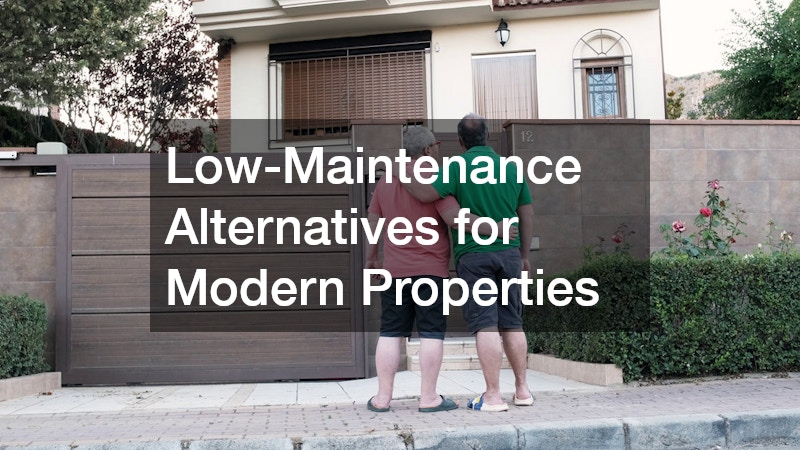
For property owners seeking alternatives to traditional wood staining or metal repainting, modern synthetic and lightweight metal systems offer attractive, durable, and low-maintenance solutions.
Utilizing Modern Synthetic Materials for Effortless Upkeep
Modern vinyl fencing has advanced significantly, offering UV-stable compounds that resist yellowing, cracking, and chalking without ever needing paint or stain. To ensure long-term durability, choose virgin PVC over recycled materials and verify that posts are anchored deep in solid concrete to withstand high winds. Selecting tongue-and-groove pickets creates a seamless privacy barrier, while internal steel or aluminum bottom rail stiffeners prevent panels from sagging over wide spans. With minimal upkeep—just periodic washing using mild soap and water or a low-pressure power washer to clear away dirt and mildew—a modern vinyl fence delivers a clean, bright aesthetic built to last.
Installing Weather-Resistant Metal Enclosures Around Pools and Yards
Aluminum systems provide the sophisticated appearance of traditional wrought iron without the weight or susceptibility to red rust, making them an excellent choice for water-adjacent applications.
-
Ensure pool perimeter designs comply with safety codes, including minimum four-foot heights, self-closing latches, and inward-opening gates.
-
Select rackable panel designs that adjust to terrain slopes, keeping pickets vertical and eliminating bottom gaps without stepping the rails.
-
Inspect factory-applied powder coatings annually for chips or deep scratches, touching up bare spots to maintain weather protection.
-
Choose flush-bottom rail configurations around pool decks to prevent bare feet from catching on exposed lower pickets.
-
Use stainless steel fasteners and nylon washers at rail pivot points to prevent bi-metallic corrosion between dissimilar metals.
Selecting a durable local aluminum fence creates a secure, rust-proof safety barrier around pools, gardens, and backyards with minimal ongoing care.
Master Planning, Maintenance, and Security Integration
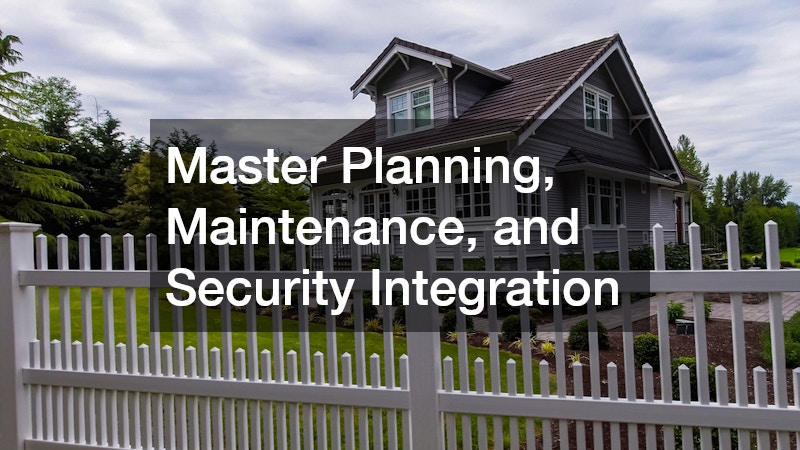
A comprehensive approach to property development involves integrating physical boundaries with smart access technology, effective outdoor lighting, and structured preventative maintenance.
Integrating Automated Access Control and Property Lighting
Modern property protection extends beyond physical barriers. Integrating electronic access controls and strategic illumination creates a comprehensive security system that enhances convenience and safety.
-
Low-Voltage LED Path Lighting: Mount directional LED fixtures along interior fence pathways and gate entries to eliminate dark corners and guide visitors safely at night.
-
Smart Intercoms and Keypads: Install wireless video intercoms and digital keypads at main entry gates, allowing property owners to monitor access remotely via mobile devices.
-
Automated Vehicle Loop Detectors: Place electromagnetic ground loops in driveways to trigger automatic gate openings for exiting vehicles without requiring manual remotes.
-
Solar or Battery Backup Systems: Equip motorized gate operators with battery back-ups or solar charging panels to maintain continuous operation during grid power outages.
-
Magnetic Lock Integration: Use heavy-duty electromagnetic locks or motorized deadbolts on pedestrian gates to prevent mechanical forcing.
Seasonal Inspections and Preventative Maintenance Schedules
Establishing a regular inspection routine helps identify minor wear, loose hardware, or surface damage before they require expensive structural repairs.
Taking a systematic approach to exterior property upgrades ensures that physical boundaries provide exceptional safety, privacy, and curb appeal. By choosing high-quality materials, partnering with experienced trade specialists, and maintaining structural components regularly, property owners can build resilient, beautiful perimeter systems that protect their real estate investment for years to come.