Dental implants offer a remarkable solution for individuals facing tooth loss, promising not only aesthetic benefits but also functional restoration. Over the years, these implants have grown in popularity due to their durability and natural appearance.
This guide aims to provide a comprehensive overview of dental implants, including their timeline, the recovery process, and anticipated results.
Initial Consultation and Planning
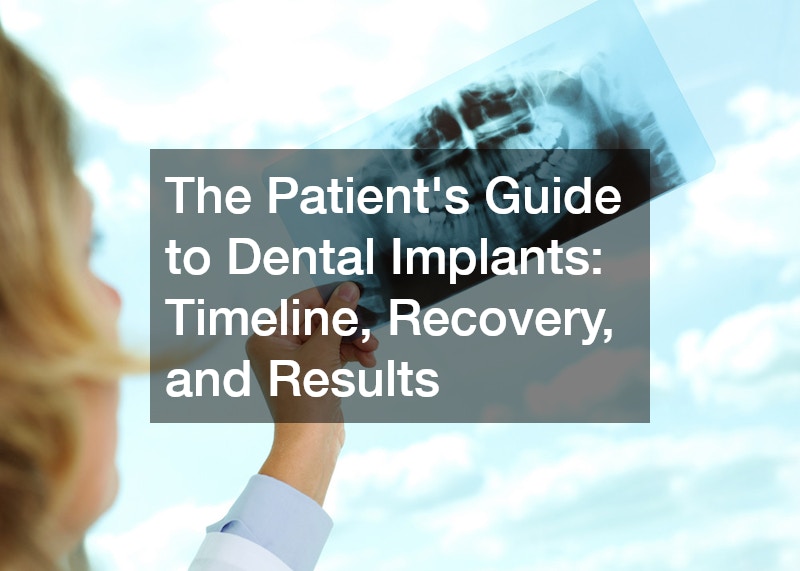
The dental implant journey begins with an initial consultation with a qualified dental professional. During this visit, the dentist evaluates the patient’s oral health, including examining the jawbone structure and discussing medical history. Advanced imaging, such as X-rays or 3D scans, may be utilized to provide a comprehensive understanding of the patient’s dental situation. Based on this detailed assessment, a personalized treatment plan is devised, outlining the necessary steps and estimated timeline. This initial phase is crucial in ensuring that the patient is a suitable candidate for dental implants.
Surgical Procedure
The surgical procedure marks a pivotal point in the dental implant timeline. It typically begins with the patient receiving localized anesthesia to ensure comfort throughout the procedure. The dentist or oral surgeon then makes an incision in the gum to expose the bone, where a small hole is drilled to place the implant. This titanium post, acting as a root, is inserted into the jawbone, where it will eventually fuse with the bone to provide a stable foundation.
Once the implant is securely placed, the gum tissue is stitched back over the implant. This phase requires meticulous skill and precision to ensure the implant is positioned correctly for optimal results. The initial surgery usually lasts a few hours, but patients generally experience minimal discomfort due to modern dental techniques. Following the procedure, there is a period of osseointegration, where the implant naturally bonds with the bone, which is crucial for long-term stability.
Placement of the Abutment and Crown
After successful osseointegration, the next step involves placing the abutment, a connector piece between the implant and the crown. This usually involves a minor surgical procedure where the gum is reopened, and the abutment is attached to the implant. The gum is then allowed to heal around the abutment, which can take a few weeks. This step is critical as it prepares the implant for its crowning glory – the dental restoration that will be visible above the gumline.
When the gum has healed around the abutment, the restoration phase can begin, where the final dental crown is designed and secured. The crown is custom-made to match the color and shape of the patient’s natural teeth, ensuring a natural and aesthetic appearance. This stage highlights the cosmetic advantages of dental implants, restoring both function and appearance. The crown is carefully crafted to ensure proper alignment with surrounding teeth, providing a comfortable bite and a seamless look.
Immediate Post-Surgery Care
Immediately following the implant procedure, patients are guided through necessary care steps to facilitate smooth recovery. Pain management is addressed through prescribed medications, which help ease any post-operative discomfort. Swelling and bruising around the implant site are typical, and patients are advised to apply ice packs to reduce these symptoms. It’s also recommended to avoid strenuous physical activities and adhere to a soft-food diet temporarily. Rest is crucial during this time, allowing the body to focus on healing.
The initial recovery phase is also about maintaining excellent oral hygiene to prevent infection. Patients are instructed on how to carefully brush around the surgical site and may be provided with an antibacterial mouthwash. Maintaining cleanliness is key to avoiding complications and ensuring the implant site remains healthy. Smoking and alcohol are typically discouraged as they can impede the healing process and increase the risk of implant failure. Proper follow-up care and adherence to the dentist’s post-op instructions significantly enhance recovery outcomes.
Long-Term Recovery and Maintenance
The long-term recovery phase involves ongoing adaptation to the dental implants, incorporating them seamlessly into daily life. Habituating to the implants can take some time, particularly in adjusting eating and speaking habits. However, as patients gain confidence, these functions often improve, ultimately enhancing oral health and comfort. Continued adherence to good oral hygiene is vital in preserving the implants and surrounding natural teeth.
Immediate and Long-Term Benefits
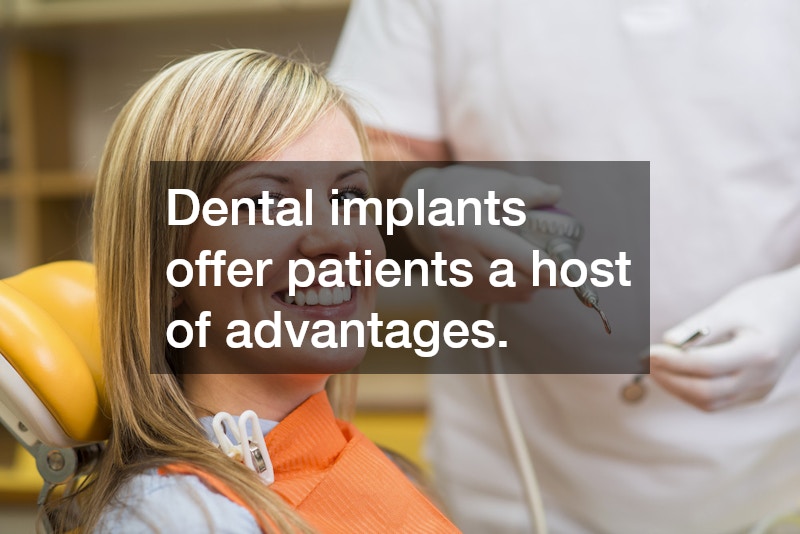
Dental implants offer patients a host of advantages, both immediately following the procedure and in the long run. Initially, patients experience a boost in self-esteem as they regain the confidence to engage socially without concern for missing teeth. Aesthetically, dental implants provide a natural look, seamlessly blending with existing teeth. Functionally, they restore the ability to chew and speak effectively, enhancing overall quality of life. These initial improvements set the stage for positive health outcomes over time.
With continued advancements in dental technology and patient care, dental implants remain a commendable choice for those seeking restoration of their dental function and appearance. Armed with knowledge, patients can embark on their dental implant journey, confident in the exceptional outcomes that await. Through this comprehensive guide, individuals are empowered to make informed decisions, ensuring their smiles shine brightly for years to come.