
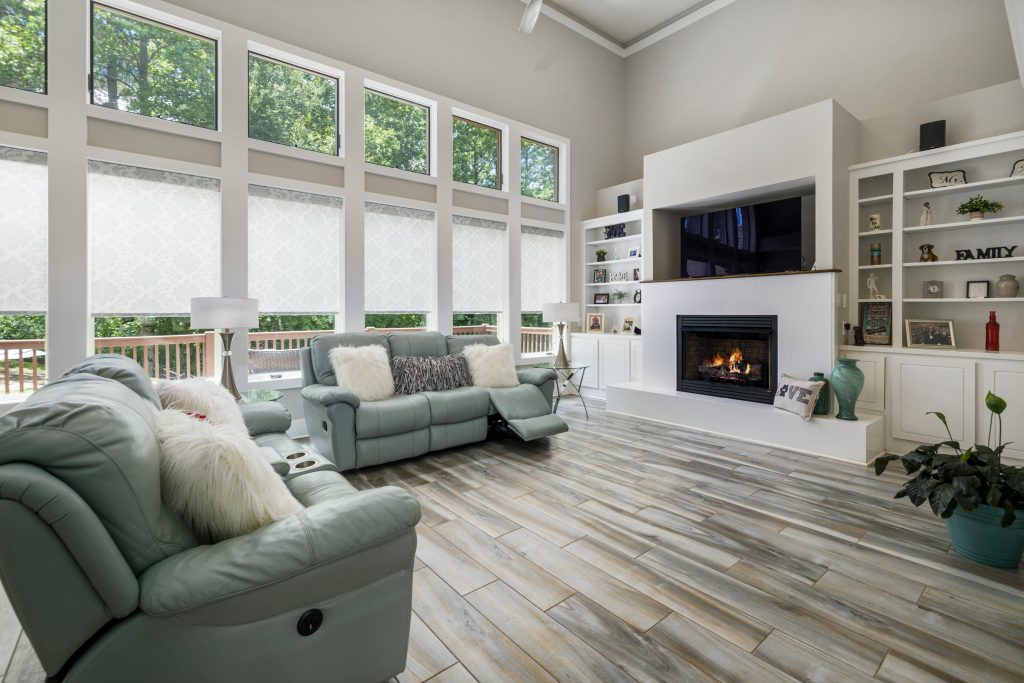
Highlights:
-
Prioritize Structural Continuity: Matching the original millwork, trim profiles, and ceiling heights is the most critical factor in making an addition feel like a permanent part of the home rather than an afterthought.
-
Transform the Transition Zone: Avoid basic, square wall openings; instead, use cased archways, pocket doors, or sunken floors to create an intentional and elegant transition between the old and new spaces.
-
Commit to Flooring Harmony: Run identical flooring materials across the threshold or design a deliberate, high-contrast decorative border to maintain an uninterrupted visual flow underfoot.
-
Invest in Custom, Floor-to-Ceiling Built-Ins: Incorporating custom bookshelves, recessed media niches, and integrated window seats physically anchors features to the architecture and maximizes functional storage.
-
Plan for Hidden Engineering Challenges: Address structural loads, foundation settling, and HVAC requirements early in the design phase to ensure the new room remains comfortable and structurally sound.
-
Layer Your Lighting Strategy: Combine ambient, task, and accent lighting on independent dimmer switches to create architectural depth and easily shift the mood of the room from day to night.
-
Design Around Traffic Patterns: Keep sightlines clear at the entrance of the addition and choose large-scale furniture that matches the grand proportions of the new space without blocking natural pathways.
Expanding your home with a family room addition is one of the most exciting projects a homeowner can undertake. It is a blank canvas to create exactly what your household needs—whether that is a sun-drenched reading corner, a high-tech media hub, or a massive zone where everyone can gather for board games. However, a common frustration with additions is that they can sometimes feel like an afterthought. If the transition between the old house and the new space is bumpy, the room can end up feeling like a box tacked onto the back of your property.
The secret to a truly successful home expansion is architectural continuity. You want guests to step into your new space and assume it was part of the original blueprint. Achieving that seamless, built-in look requires looking beyond basic square footage and focusing on the design details that anchor a room to its structural roots. From matching trim work to clever spatial zoning, a well-executed addition enhances your lifestyle while significantly boosting your property value.
Why Does Architectural Continuity Matter So Much?
When you walk into a house where an addition feels disconnected, your brain registers the discrepancy immediately. The ceilings might suddenly drop, the flooring might change abruptly, or the windows might follow a completely different style. This visual friction disrupts the flow of your home and can make the new family room feel cold or isolated.
Designing with a built-in mindset solves this problem. It ensures that the addition respects the history, scale, and character of the existing structure. When you focus on seamless transitions, you achieve a few major benefits:
-
Higher resale appeal: Buyers are incredibly perceptive when it comes to poorly integrated additions. A seamless room looks high-end and professional, which commands a premium price.
-
Improved daily traffic flow: An addition that integrates perfectly with your kitchen or existing living spaces encourages organic movement rather than feeling like a dead-end destination.
-
Enhanced visual harmony: When colors, textures, and architectural lines match across the threshold, the entire home feels larger and more cohesive.
How Can You Match the Bones of Your Original Home?
The foundational elements of the room—the “bones”—are your primary tools for creating structural harmony. Before you even think about furniture or paint colors, you need to look at the architectural DNA of your existing spaces.
Start by auditing your home’s millwork. If your house features five-inch baseboards and deep crown molding, installing thin, modern trim in the addition will instantly shatter the illusion of permanence. Work with your contractor to source identical profiles, or have a local mill shop replicate the original trim if you live in a historic home.
Ceiling heights are another critical factor. If your main level has nine-foot ceilings, dropping down to eight feet in the addition will make the new space feel cramped and secondary. If structural constraints prevent you from matching the height exactly, consider going upward instead. Vaulting the ceiling in the new family room makes the transition feel intentional and grand rather than accidental.
1. Frame the Entry With Matching Architectural Archways
The literal transition zone where the old house ends and the new addition begins is the most critical area to get right. Instead of simply cutting a standard, square opening in the exterior wall, turn the threshold into a design feature.
If your home features traditional architecture with arched doorways or specific casing styles, mirror those exact elements at the entry of your new family room. A wide, cased archway creates a sense of ceremony as you step from the older part of the home into the new. It also visually frames the view into the addition from your kitchen or hallway, making the new space feel like a natural extension of the sightlines you enjoy every day.
2. Install Floor-to-Ceiling Custom Bookcases
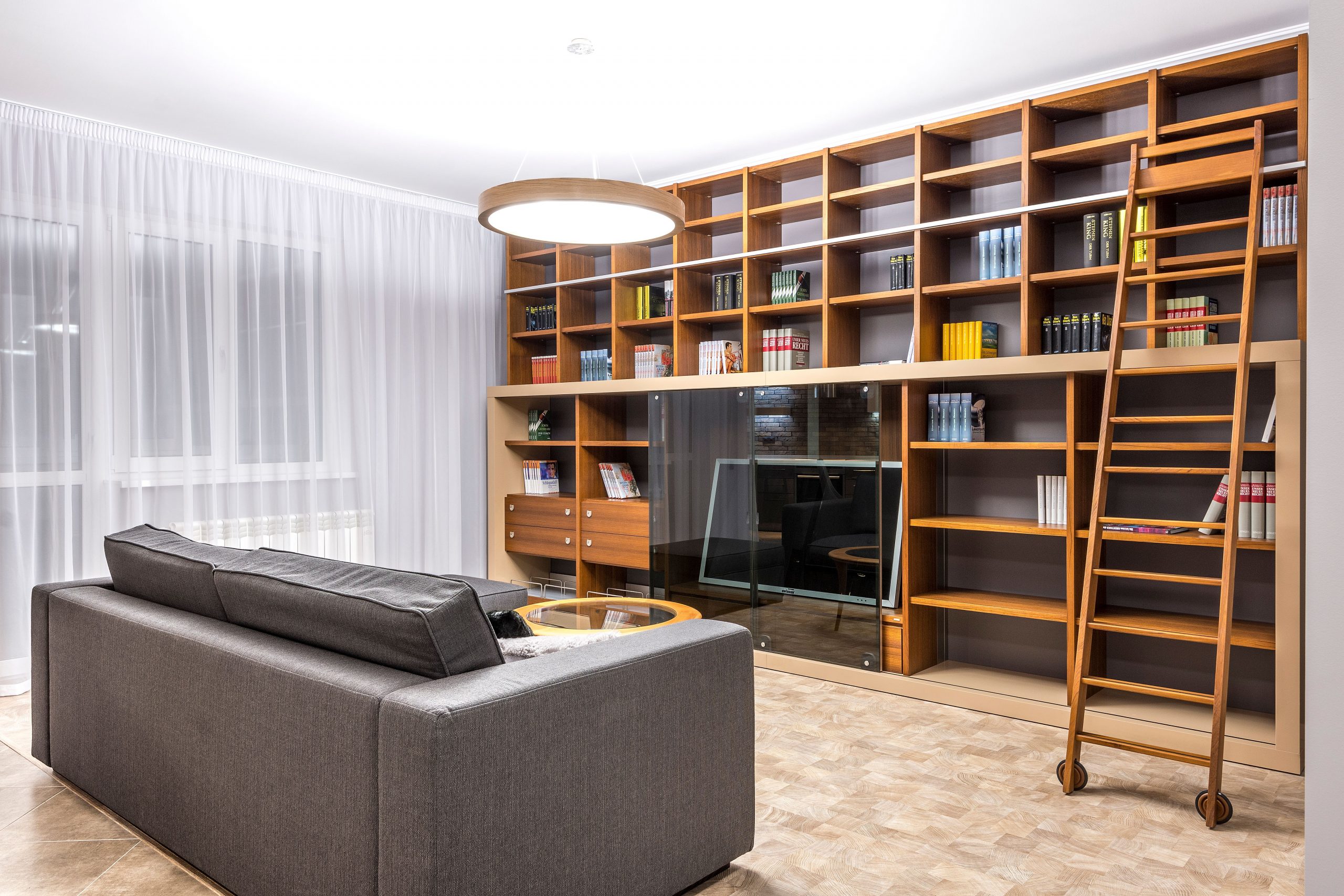
Nothing says “built-in” quite like cabinetry that physically anchors itself to the walls and ceiling. A massive wall of custom bookshelves instantly gives a new family room a sense of history, permanence, and luxury.
To make this feature truly feel like part of the home’s original construction, run the cabinetry all the way up to the ceiling and wrap the room’s crown molding right across the top of the units. This eliminates the awkward gap above standard furniture and makes the shelving look like a structural component of the room.
-
Incorporate closed storage: Use lower cabinets with doors to hide messy board games, toys, or electronic components, keeping the room tidy.
-
Integrate accent lighting: Install hardwired LED ribbon lighting or classic library sconces above the shelves to create a warm, high-end glow at night.
-
Style with intention: Mix books with family heirlooms, framed art, and sculptural objects to give the space a curated, lived-in feel.
3. Sink the Floor for a Cozy Conversation Pit
If your home’s layout and grading allow for it, stepping down into a family room addition is a brilliant way to create an intimate, built-in vibe. Popularized mid-century but perfectly adaptable to modern design, a sunken family room establishes a distinct zone without requiring physical walls.
Stepping down two or three steps immediately shifts the mood of the home. It signals that you are entering a space dedicated entirely to relaxation, comfort, and connection. This design choice is especially effective if your addition opens directly off a high-traffic kitchen, as it keeps the lounging area physically separated from the cooking chaos while maintaining an open-concept feel.
4. Align Your Flooring Materials Perfectly
One of the quickest ways to ruin the flow of a home expansion is a sudden, jarring change in flooring right at the threshold. If you have oak hardwood in your kitchen, switching to a completely different shade of laminate or a stark tile in the family room addition will create a harsh visual line.
For a true built-in feel, commit to continuity underfoot. If you have original hardwood, hire a flooring specialist to weave new boards into the existing floor at the transition point, then sand and stain the entire area simultaneously. If matching the original wood is impossible due to age or material availability, consider creating a deliberate, high-contrast transition using a beautiful threshold stone or an intentional pattern shift, like chevron or herringbone, using a complementary wood tone.
5. Build a Seamless Window Seat Into a Bay Window
Windows are the eyes of your addition, and how you frame them dictates how connected the room feels to both the outdoors and the rest of the house. Incorporating a deep bay window with an integrated bench seat is a classic trick for making a new space feel structural and cozy.
A window seat maximizes your square footage by turning a simple window wall into functional seating and storage. Build the base of the bench out of the same material as your baseboards or kitchen cabinetry. Design the top with a lift-up lid or deep pull-out drawers to double your storage capacity for blankets and pillows, ensuring that every inch of your new footprint works hard for your family.
6. Run Matching Ceiling Beams Across the Space
Ceilings are often referred to by interior designers as the “fifth wall,” yet they are frequently neglected in new additions. Leaving a large, flat expanse of drywall can make a new room feel cold and sterile. Adding architectural beams is a phenomenal way to inject instant character.
If your home has a rustic, farmhouse, or traditional aesthetic, structural or decorative wood beams can make the ceiling look like it has been supporting the roof for decades. If your style is more contemporary, box beams painted the same color as your trim can create a stunning grid or coffered ceiling effect. This overhead detail draws the eye upward, accentuates the height of the addition, and mirrors architectural details found in historic homes.
7. Integrate a Flush-Mount Fireplace With Custom Masonry
A family room needs a central focal point, and nothing draws people together like a fireplace. However, a freestanding mantel piece or an electric fireplace unit pushed against a flat wall can look temporary and disjointed.
For an integrated, built-in look, design a fireplace flush with the drywall or construct a full masonry chimney breast that extends from the floor to the ceiling. Whether you choose classic brick, sleek stacked stone, or smooth plaster, running the material all the way up anchors the fireplace to the room.
-
Plan for media placement: If you plan to hang a television above the mantel, recess the wiring and mounting brackets directly into the wall during the framing stage so the screen sits flush.
-
Add structural hearths: A low stone or concrete hearth extending across the bottom provides extra seating and gives the fireplace a heavy, permanent presence.
-
Match the stone: If your home has an existing exterior stone foundation or a stone fireplace in another room, use that same material for the new addition’s hearth.
8. Opt for Pocket Doors Instead of Swinging Doors
When connecting a new family room to the rest of your home, you may want the ability to close off the space for movie nights or quiet study time. Traditional swinging doors require a massive amount of floor space to operate, forcing you to adjust your furniture layout awkwardly.
Pocket doors slide effortlessly into the wall cavity, disappearing completely when open. This design choice maintains a perfectly clean, unobstructed opening between rooms, enhancing the built-in feel. When closed, they look like a solid architectural wall panel. For a high-end touch, choose solid-wood doors with glass panes that allow natural light to filter between the old and new sections of the house even when the doors are shut.
9. Create a Dedicated Media Recess in the Framing
Electronics are a necessity in a modern family space, but tangled wires, bulky media consoles, and protruding TV screens can quickly clutter a clean design. Instead of buying a piece of furniture to hold your tech, build the tech directly into the architecture.
During the framing phase of your renovation, work with your contractor to build a custom alcove or recessed niche specifically sized for your television and media equipment. By pulling the studs back in a specific section, your screen can sit completely flush with the surrounding drywall. This clever bit of carpentry eliminates visual clutter and makes the entertainment system look like a cohesive, permanent component of the room’s design.
10. Blend Indoor and Outdoor Spaces With Bi-Fold Doors
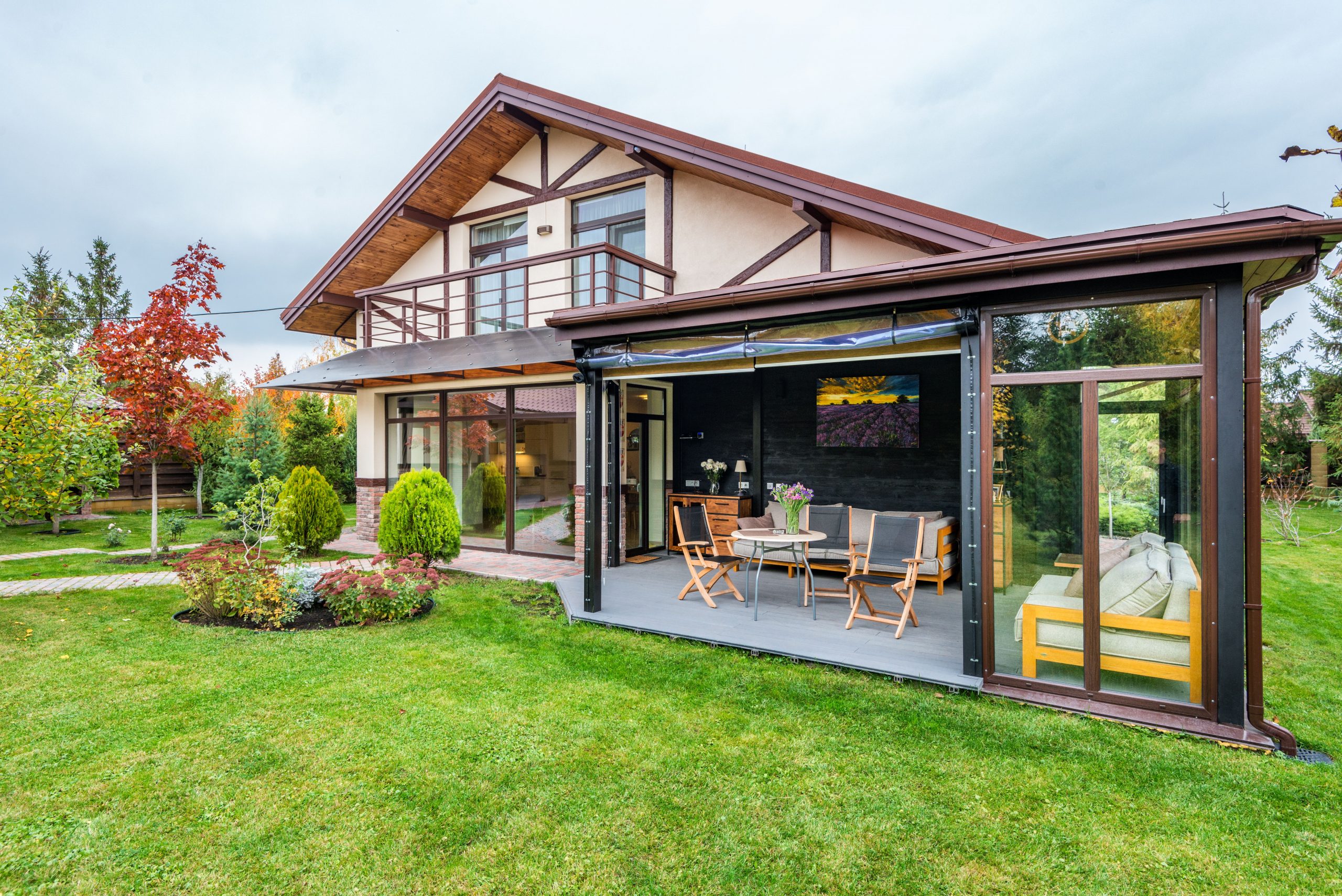
An addition naturally pushes out into your yard or garden, making it the perfect opportunity to bridge the gap between your indoor living space and the outdoors. Installing a massive wall of glass bi-fold or multi-slide doors creates a spectacular transition that makes the family room feel like an organic part of the landscape.
When these doors are fully retracted, the line between your interior family room and your exterior patio completely vanishes. To maximize the built-in illusion, align the flooring material of your addition with your outdoor decking or stone patio, and keep the thresholds completely flush. This allows your family to move effortlessly between the two zones, making your home expansion feel twice as large during the warmer months of the year.
What Are the Hidden Structural Challenges to Watch Out For?
While focusing on the beautiful finish details is the fun part of a home expansion, those elements will only shine if the underlying engineering is flawless. Additions require a deep understanding of structural loads, HVAC capabilities, and foundation settling.
One of the biggest mistakes homeowners make is ignoring their existing heating and cooling system. A new room adds significant square footage that your current furnace and air conditioner might not be equipped to handle. Pushing your existing system past its limits will result in a family room that is freezing in the winter and sweltering in the summer, rendering it useless. Work with an HVAC professional early in the design phase to determine if you need to upgrade your main system, tie into existing ductwork, or install a discreet mini-split system hidden within your custom cabinetry.
Foundation integration is another area where precision is non-negotiable. Your new addition will settle differently than your original home, which has had decades to sink into its plot. An experienced structural engineer must design the connection between the old foundation and the new footings to prevent shifting, cracking, and water intrusion over time.
How Do You Balance Modern Functionality With Historic Charm?
If you live in an older home, you face a unique design paradox: you want the modern amenities of a spacious family room, but you do not want to strip away the historic soul of your property. Achieving this balance is the ultimate test of creating your dream home through thoughtful renovations.
The key is to avoid carbon-copying the past while still respecting its principles. You do not need to hunt down antique appliances or outdated lighting fixtures to make the room blend in. Instead, focus on the proportions, material quality, and craftsmanship of yesteryear. Combine classic architectural details—like tongue-and-groove ceiling paneling or traditional window grids—with modern conveniences like smart lighting, hidden charging stations, and high-performance insulation. This hybrid approach ensures your new room feels nostalgic and comforting without sacrificing the ease of modern living.
Which Lighting Strategy Works Best for an Integrated Look?
Lighting has a massive impact on how permanent a space feels. A single, centered ceiling fan with a basic light kit can make an addition look cheap and rushed. A sophisticated, layered lighting plan, however, mimics the architectural depth found in custom-built estates.
To make the lighting feel integrated, you need to plan for three distinct layers: ambient, task, and accent lighting.
| Lighting Layer | Purpose | Best Fixtures for an Addition |
| Ambient | Overall illumination that mimics natural daylight | Recessed LED canisters, flush-mount trim lights |
| Task | Focused light for activities like reading or homework | Adjustable floor lamps, swing-arm wall sconces |
| Accent | Visual drama that highlights architectural features | In-cabinet lighting, picture lights, uplighting |
By mixing these three layers, you eliminate harsh shadows and give yourself total control over the mood of the room. Placing all of these circuits on dimmers—or tying them into a smart home system—allows you to transition the family room seamlessly from a bright, energetic afternoon playroom to a cozy, dimly lit sanctuary for evening movies.
How Can You Choose a Color Palette That Unites the Spaces?
Color is the ultimate connective tissue in interior design. If your kitchen and dining room feature warm, earthy tones and your new family room addition is suddenly painted a stark, cool gray, the transition will feel incredibly jarring.
You do not have to paint every room the exact same color, but you should pull from a unified color family to maintain visual continuity. A great strategy is to use the “60-30-10” rule across the threshold. Take the secondary color from your existing main living space and make it the dominant color in your new addition. This subtle shift keeps the spaces unique while ensuring they remain visually anchored to one another.
Pay close attention to paint sheen as well. If the rest of your home features classic flat or eggshell walls with semi-gloss trim, maintain that exact formula in the new space. A sudden shift to high-gloss walls or matte trim will reflect light differently and expose the addition as a separate structure.
What Role Does Furniture Placement Play in Structural Flow?
Once the drywall is painted and the trim is installed, the final step in making an addition feel built-in is how you arrange your furniture. The layout should naturally draw people into the new space rather than creating a physical barrier at the entrance.
Avoid placing the back of a large sofa directly against the opening of the addition. This creates a psychological wall that tells people to stay out. Instead, keep the entry sightlines clear. Position your primary seating groups along the perimeter or in a central floating arrangement that leaves wide, inviting pathways around the edges of the room.
Incorporate large-scale anchor pieces that match the proportions of the addition. If you built a grand room with high ceilings, small, delicate furniture will look lost and temporary. Opt for a deep, comfortable sectional and a substantial coffee table that ground the space and invite your family to sit down, relax, and enjoy the beautiful home you have created.
Final Thoughts
Bringing a family room addition to life is a journey that requires equal parts vision and precision. The most successful spaces are those that do not shout for attention but instead whisper a sense of belonging, quietly blending with the architecture that came before them. By prioritizing structural harmony—from the exact profile of your baseboards to the deliberate flow of your flooring and lighting—you elevate a standard renovation into a masterclass in home design.
As you move forward with your planning, remember that a truly built-in space is achieved through patience and attention to the smallest details. When you take the time to honor the original character of your house while designing for the specific needs of your modern lifestyle, you create more than just extra square footage. You create a permanent, soulful anchor where your family can gather, relax, and grow for decades to come.