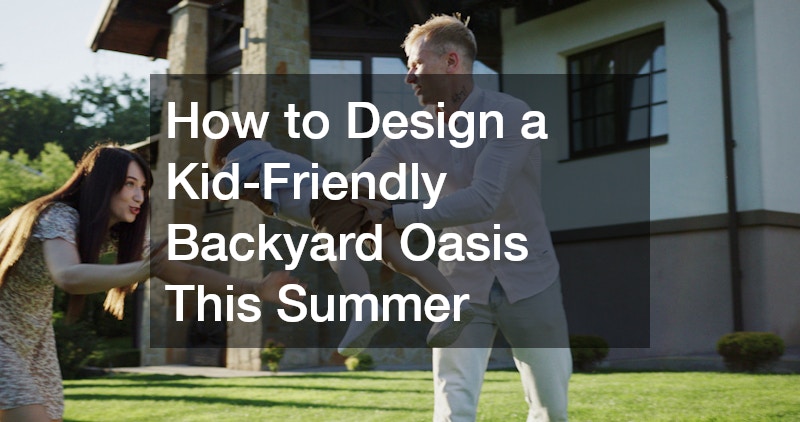
There is an undeniable magic to childhood summers spent entirely outdoors. Before the era of ubiquitous screens and endless digital entertainment, the backyard was a boundless frontier. It was a pirate ship, a jungle, a sports arena, and a quiet sanctuary all rolled into one. As a parent or homeowner today, you likely want to recreate that same sense of wonder, freedom, and outdoor engagement for your own family. However, bridging the gap between a standard, uninspired plot of grass and a truly dynamic, kid-friendly oasis can feel like a daunting task. You want a space that sparks imagination and encourages physical activity, but you also need it to be safe, durable, and visually pleasing enough for adults to enjoy a quiet evening with a glass of wine.
The modern challenge lies in designing a yard that grows with your children while maintaining its aesthetic appeal. A perfectly manicured lawn might look beautiful, but it often does not withstand the heavy foot traffic of energetic toddlers or teenagers playing soccer. Conversely, a yard dominated entirely by plastic play structures can quickly become an eyesore that detracts from your home’s value and your own relaxation. The secret to success is intentional, strategic design. By thoughtfully planning the layout, choosing the right materials, and prioritizing both durability and safety, you can transform your outdoor space into a multifaceted haven.
This comprehensive guide is designed to walk you through the entire process of reimagining your outdoor space. From assessing your initial terrain and creating dedicated activity zones, to selecting the safest ground covers and ensuring overhead protection from the summer sun, every element matters. Creating a backyard oasis is not just about buying a swing set and hoping for the best; it is about cultivating an environment where nature and play seamlessly intersect. By the time you finish implementing these strategies, your backyard will be the ultimate destination for summer fun, family gatherings, and lifelong memories.
Map Out Dedicated Zones for Activities and Relaxation

The foundation of any successful landscape project begins long before a single shovel pierces the dirt. To create a space that accommodates the chaotic energy of children and the relaxation needs of adults, you must approach your yard like a floor plan. Assessing your usable space, understanding your topography, and creating distinct zones will prevent your yard from feeling like a cluttered playground.
Before purchasing equipment or drawing up designs, take a critical look at your property’s natural topography. Spend time observing the yard at different times of the day. Note where the sunlight hits the hardest at noon, where water tends to pool after a heavy summer thunderstorm, and which areas offer the most privacy. If your yard has significant slopes, uneven grading, or complex drainage issues, you might need to seek advice from professional landscaping companies to ensure the ground is properly leveled and stabilized before you introduce heavy play structures. Ignoring drainage can lead to muddy swamps that ruin playtimes and breed mosquitoes. Once you understand the physical limitations and opportunities of your land, grab a piece of graph paper and sketch a rough map.
The most effective kid-friendly yards utilize a concept known as “zoning.” Just as an open-concept house uses rugs and furniture placement to define the living room from the dining room, your yard should have clear, distinct areas dedicated to different energy levels.
-
High-Energy Play Zones: This is where the swing sets, trampolines, climbing walls, and sports nets belong. Place this zone in a highly visible area so you can easily monitor play from the kitchen window or the patio, but keep it far enough away from outdoor dining areas to prevent errant stray balls from knocking over drinks.
-
Creative and Messy Zones: Children need spaces where they are allowed to get dirty. Dedicate a corner for a sandbox, a mud kitchen, or a designated digging patch. Keeping this area tucked away in a corner helps contain the inevitable mess.
-
Quiet and Relaxation Zones: Intersperse the yard with areas meant for downtime. Think about hanging a hammock between two sturdy trees, setting up a small fairy garden for imaginative play, or laying out an outdoor rug with floor cushions under a canopy.
To make these zones feel cohesive rather than disjointed, use borders and ground covers to cleanly define the spaces. You can source durable, kid-safe landscaping supplies like flexible bender board edging, natural cedar mulch, or heavy-duty landscape fabric to separate the grass from the play areas. Using a visual border not only makes the yard look organized and intentionally designed, but it also provides a psychological cue to children about where certain activities belong, helping to keep the sandbox sand out of your meticulously maintained flowerbeds.
Construct Safe, Durable Foundations for Play Spaces

When designing areas specifically meant for physical activity, the ground beneath your children’s feet is just as important as the equipment they are playing on. Slips, trips, and falls are an inevitable part of childhood, but the severity of those accidents is heavily dependent on the surfaces you choose to install. Building a safe, durable foundation requires selecting the right impact-absorbing materials and ensuring smooth transitions between different areas of the yard.
The area immediately surrounding and underneath play structures, such as swing sets, slides, and climbing frames, is known as the “use zone.” According to consumer safety guidelines, this zone should extend a minimum of six feet in all directions from the equipment. Hard surfaces like concrete, asphalt, or even densely packed earth are completely unacceptable in these areas. Instead, you must install proper impact-absorbing ground cover.
-
Engineered Wood Fiber (EWF): Unlike standard decorative mulch, EWF is specifically ground to knit together, providing a firm, slip-resistant surface that also absorbs impact beautifully. It requires a depth of at least nine inches to be effective against falls from typical backyard swing sets.
-
Rubber Mulch: Made from recycled tires, rubber mulch provides excellent shock absorption, does not attract insects, and requires less topping off than wood products. However, it can retain heat in direct sunlight, so it is best used in shaded play zones.
-
Pea Gravel: While aesthetically pleasing and great for drainage, pea gravel is less ideal for high fall risks. It is, however, an excellent choice for low-impact areas like beneath a backyard chalkboard or surrounding a ground-level playhouse.
Beyond the play structures, consider the hard surfaces required for wheeled toys. Tricycles, scooters, and wagons require smooth, even pathways. If you are adding a new patio or expanding a walkway, precision is key. A poorly laid paver can quickly become a dangerous tripping hazard for a running toddler. For extensive hardscape projects, bringing in a local hardscaping contractor is highly recommended to ensure the sub-base is properly compacted and the surface materials are laid perfectly level. Smooth concrete paths looping around the perimeter of the lawn can serve as a personal backyard racetrack, keeping wheeled toys off your delicate grass.
Finally, consider incorporating tactile, sensory elements into the foundational design of your yard. A sensory garden encourages children to interact with nature safely. You can build a dry creek bed or a dedicated construction-vehicle digging zone using smooth, rounded landscape rocks that are soft to the touch and safe for little hands to manipulate. Avoid using sharp, jagged gravel or crushed limestone, which can easily scrape knees and elbows. By combining impact-absorbing play zones, smooth racetracks, and tactile natural elements, you create a dynamic environment that is inherently safe to explore.
Establish a Resilient, Barefoot-Friendly Lawn

For all the exciting play structures and sensory gardens you might add, the heart of a classic backyard remains the lawn. A lush, green expanse of grass is the ultimate multi-purpose play surface—perfect for cartwheels, soccer scrimmages, tag, and lying on your back to watch the clouds. However, keeping a lawn pristine under the punishing conditions of summer heat and heavy childhood foot traffic is a monumental challenge. Establishing a resilient, barefoot-friendly lawn requires choosing the right grass, implementing intelligent watering systems, and utilizing safe maintenance practices.
The first step is evaluating whether your current grass type can handle the stress of active children. Fragile, ornamental grasses will quickly turn into bare, compacted dirt patches under the weight of daily play. You need to select a high-traffic grass variety that is naturally aggressive and quick to repair itself.
-
Warm-Season Grasses: If you live in a region with scorching summers, varieties like Bermuda grass and Zoysia are unparalleled. They thrive in the heat, form dense mats that crowd out weeds, and have deep root systems that allow them to recover rapidly from wear and tear.
-
Cool-Season Grasses: In northern climates, Kentucky Bluegrass is the gold standard for high-traffic yards. It spreads via underground rhizomes, meaning it will naturally fill in bare spots caused by heavy play. Tall Fescue is another excellent, deeply rooted option that resists drought and trampling.
If your yard is currently a patchwork of weeds and bare dirt, consider reaching out to landscaping contractors to test your soil pH, properly aerate the ground, and lay fresh, durable sod to give your family an immediate, robust playing surface.
Once you have the right grass, maintaining its health without creating a swamp is critical. Overwatering leads to shallow root systems, fungal diseases, and the creation of muddy patches that ruin playtimes and invite pests. Efficient, deep watering encourages roots to grow downward, creating a tougher, more drought-resistant lawn. If you are tired of dragging hoses across the yard or dealing with flooded corners, working with lawn irrigation companies to install a smart sprinkler system can be a game-changer. These systems can be programmed to water deeply in the early morning hours, minimizing evaporation and ensuring the grass is dry and ready for barefoot play by the time the kids finish breakfast.
Equally important to the health of the grass is the health of the children playing on it. Traditional lawn care relies heavily on synthetic fertilizers and harsh chemical weed killers, which require you to keep children and pets off the grass for days after application. To maintain a truly kid-friendly oasis, transition to organic, natural lawn care methods. Use slow-release organic fertilizers made from compost or bone meal. Top-dress your lawn with a thin layer of compost in the spring to naturally boost soil health. Furthermore, protect sensitive skin from summer pests by planting natural deterrents around the perimeter of the lawn. Marigolds, citronella, lavender, and rosemary naturally repel mosquitoes and ticks without the need to spray the lawn with harsh, sticky chemical bug repellents.
Strategize Shade and Natural Elements for Hot Summer Days

As the summer progresses, the afternoon sun can turn a beautiful backyard into an uncomfortably hot environment. Metal slides become scorching hazards, plastic toys warp, and the risk of sunburn and heat exhaustion makes prolonged outdoor play dangerous. A truly well-designed backyard oasis must incorporate strategic shade and natural cooling elements to ensure the space remains usable even during the hottest hours of the day.
The most effective, environmentally friendly, and aesthetically pleasing way to cool a yard is through natural tree canopies. Trees not only block harmful UV rays, but the moisture they release through their leaves physically cools the surrounding air. If your yard is currently lacking in mature foliage, planting new trees should be a priority. When visiting local nurseries to look at trees for sale, focus on fast-growing, broad-leaf varieties that will establish a canopy quickly.
-
Fast-Growing Shade Providers: Trees like the Red Maple, Weeping Willow, or Hybrid Poplar can grow several feet per year under the right conditions, providing rapid relief from the sun.
-
Placement Strategy: Plant deciduous trees on the southern and western sides of your play zones and home. They will provide dense, leafy shade during the peak heat of summer, but will drop their leaves in the winter to allow warming sunlight to filter through.
-
Patience and Care: Newly planted trees require significant water and support to establish their root systems. Staking young trees protects them from harsh winds and overenthusiastic children playing nearby.
While you wait for your new trees to mature, you will need immediate shade solutions over high-activity areas like sandboxes, water tables, and swing sets. DIY shade sails are a highly effective, budget-friendly option. Made from high-density polyethylene, these sails block up to 95% of harmful UV rays while allowing a breeze to pass through.
-
Installation Tips: Anchor the sails tightly between the house fascia, existing sturdy posts, or specifically installed steel columns. Ensure one corner of the sail is angled lower than the others to allow rain to run off easily, preventing water pooling that can stretch and tear the fabric.
-
Pergolas and Pavilions: For a more permanent architectural feature, building a wooden pergola over an outdoor dining or lounge area creates a cool, shaded retreat for parents to supervise from. You can train fast-growing vines like wisteria or jasmine up the posts to create a lush, living roof.
Finally, do not neglect the mature foliage you already have. Large, older trees are the crown jewels of a backyard oasis, but they require regular maintenance to remain healthy and vibrant. Deep-root watering during periods of drought, proper mulching around the base to retain moisture, and monitoring for signs of disease are crucial. If you notice yellowing leaves, significant sap leakage, or signs of pest infestations, it is wise to consult professional tree care services. Arborists can diagnose soil deficiencies, apply targeted treatments, and ensure your primary sources of shade remain robust and healthy for decades to come.
Prioritize Ongoing Maintenance and Overhead Safety
Designing and building your kid-friendly backyard is only the first part of the journey; maintaining it to ensure it remains a safe environment is an ongoing responsibility. Summer weather, aggressive play, and natural wear and tear will constantly challenge the integrity of your backyard oasis. Establishing a proactive routine for safety checks and regular maintenance will give you peace of mind and prevent minor issues from becoming major hazards.
One of the most overlooked aspects of backyard safety is overhead structural integrity. Summer storms bring high winds and heavy rains that can weaken tree branches. A dead or diseased branch hanging over a play structure, commonly referred to as a “widow-maker,” is a severe threat. You must regularly inspect the canopies above your play zones, seating areas, and pathways. Look for cracks in heavy limbs, branches that lack foliage during the growing season, or limbs that are crossing and rubbing against each other. Because working at heights with heavy, unpredictable wood is incredibly dangerous, you should always hire professional tree trimming companies to safely remove hazardous overhead branches.
At ground level, the structural integrity of your freestanding equipment must be verified routinely. Children push the limits of swing sets, trampolines, and climbing domes, subjecting them to intense kinetic stress.
-
Anchoring Systems: Ensure all play equipment is deeply and securely anchored into the ground using concrete footings or heavy-duty ground augers. High winds can easily flip an unanchored trampoline, turning it into a dangerous projectile.
-
Hardware Checks: Wood naturally expands and contracts with humidity and temperature changes, which can loosen the bolts and screws holding a playset together. Take a wrench and physically tighten every bolt on the swing set at the beginning of the summer and mid-way through the season.
-
Surface Splinters and Rust: Sand down any rough patches on wooden structures to prevent splinters, and apply a fresh coat of waterproof sealant annually. Check metal parts for rust and ensure all plastic chains or protective coatings on swing ropes are intact to prevent pinched fingers.
Finally, integrate a brief, 10-minute yard check into your weekly routine before allowing children to engage in unsupervised play. Walk the perimeter of the yard and the play zones with a critical eye.
-
Critter Control: Look closely under the eaves of playhouses, beneath slide platforms, and inside the tubes of playsets for developing wasp nests, spider webs, or bee hives. Address these immediately with kid-safe insect sprays.
-
Ground Hazards: Walk the lawn to pick up sharp sticks, rocks that may have migrated from borders, or forgotten tools. Check the perimeter fencing to ensure gates latch securely and there are no broken boards where a child or pet could squeeze through.
-
Health Assessments: Keep an eye on the overall health of your landscape. If you notice a sudden, drastic change in a large tree, such as rapid leaf drop or a noticeable lean, do not wait for a storm to test its strength. Reach out to local tree services to have an arborist evaluate whether the tree can be saved or if it poses an imminent danger that requires removal.
Conclusion
Creating a kid-friendly backyard oasis is one of the most rewarding investments you can make in your home and your family’s daily life. It is an intricate process that demands balancing the boundless energy of children with the practical realities of landscape maintenance and adult aesthetics. By taking the time to map out dedicated zones, you ensure that high-energy play, messy creativity, and quiet relaxation all have their own secure, designated spaces. By focusing heavily on impact-absorbing foundations and a resilient, well-planned lawn, you create an environment that invites barefoot running while minimizing the bumps and bruises of childhood.
Furthermore, integrating natural shade solutions and adhering to strict maintenance and overhead safety routines guarantees that your yard will remain a comfortable, protected haven throughout the hottest and stormiest months of the year. The transition from a basic plot of grass to a dynamic outdoor living space does require a significant upfront commitment of time, planning, and effort. However, the dividends it pays are immeasurable.
A thoughtfully designed backyard pulls children away from screens and invites them into the fresh air. It becomes the backdrop for family barbecues, late-night stargazing, twilight neighborhood games of tag, and the simple joy of pushing a child on a swing. As you look out over your newly transformed outdoor space this summer, you will not just see a beautifully organized landscape; you will see a canvas ready to capture years of unforgettable, sun-drenched memories.