Early childhood is a period of rapid growth, curiosity, and discovery. During these formative years, children begin building the social, emotional, cognitive, and physical foundations that shape how they learn throughout life. The environment created during this stage matters deeply because it influences confidence, communication, problem-solving, and the ability to form relationships. Families often pay close attention to how schools introduce children to learning, not simply what is taught, but how it is taught.
In Singapore, early education has developed a reputation for balancing structure with exploration. Teachers and caregivers often focus on creating spaces where children feel secure enough to investigate ideas while gradually becoming comfortable with routines and shared expectations.
This combination can help young learners develop independence without feeling overwhelmed. Parents also tend to value programs that support both academic readiness and emotional wellbeing.
Learning Through Play
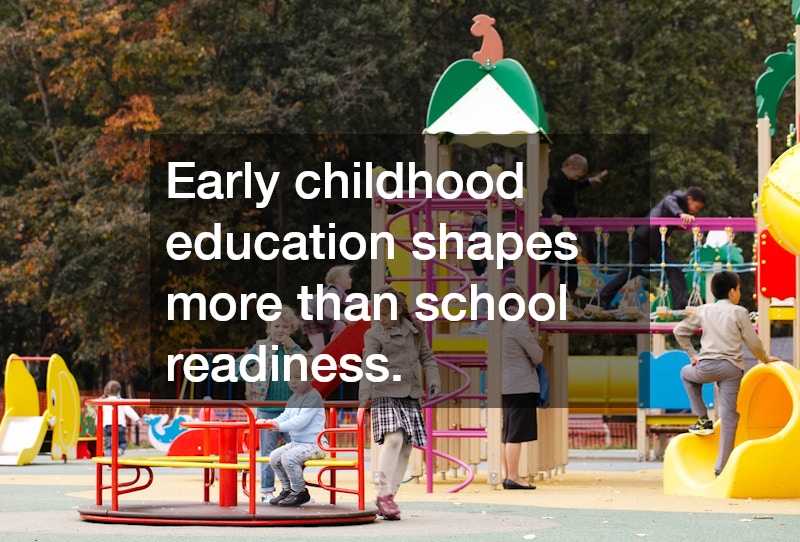
Play remains one of the most important parts of early childhood education. For young children, play is not separate from learning. It is the process through which they test ideas, build language, experiment with movement, and develop social awareness. Activities that may appear simple often involve important developmental skills.
When children build with blocks, they explore balance, shape, and spatial awareness. Pretend play encourages storytelling, emotional expression, and communication. Group games create opportunities to practice sharing, negotiating, and following directions. Through these interactions, children learn how to make choices and respond to new situations.
Teachers often create purposeful play environments. Materials are selected to invite curiosity, while adults observe, guide, and extend conversations. Instead of giving all the answers, educators may ask open-ended questions that encourage children to think more deeply. This style of teaching helps children become active participants in their own learning.
Language Development Through Conversation and Storytelling
Language growth is central to early education because it supports thinking, social connection, and emotional expression. Young children learn language most effectively through rich interaction rather than memorization alone. Conversations, storytelling, songs, and shared reading all create opportunities for vocabulary development and comprehension.
Teachers often encourage children to describe experiences, ask questions, and share observations. During story time, children may predict what happens next, talk about characters, or connect ideas to their own lives. These moments help build both expressive and receptive language skills.
In multilingual environments, children may also develop awareness of more than one language. Exposure to different sounds, words, and cultural expressions can strengthen listening skills while helping children appreciate diversity from an early age. Language learning in these settings often becomes part of daily interaction rather than a separate academic task.
Inquiry and Exploration in Everyday Learning
Children are naturally curious. They ask why things happen, how objects work, and what will happen next. Strong early education programs use that curiosity as a starting point for inquiry-based learning.
Instead of presenting information only through direct instruction, teachers may invite children to observe, compare, predict, and experiment. A discussion about plants, for example, can become an opportunity to examine seeds, water growth charts, and notice changes over time. A rainy day can inspire conversations about weather, movement, sound, and the environment.
This type of learning helps children develop habits of investigation. They begin to notice patterns, make connections, and express ideas based on experience. Inquiry also encourages persistence because children learn that understanding can develop through observation and repeated exploration.
Social and Emotional Learning as a Daily Practice
Academic growth is only one part of early childhood development. Learning how to manage emotions, cooperate with others, and build relationships is equally important. These skills often influence how confidently children participate in new environments.
In many early learning settings, social and emotional development is embedded into daily routines. Children practice taking turns, listening to peers, and expressing needs respectfully. Teachers help children recognize feelings, solve small conflicts, and understand how actions affect others.
These experiences support empathy and resilience. When children feel heard and supported, they are more likely to approach challenges with confidence. Emotional security also creates a stronger foundation for attention, participation, and willingness to explore.
Parents often notice that children who feel socially comfortable become more engaged in learning. Friendships, positive adult relationships, and a sense of belonging can have a powerful impact on development.
Partnerships Between Families and Educators
Strong early learning often grows through collaboration between home and school. Teachers observe children in group settings, while families understand routines, interests, and personality in daily life. When these perspectives come together, children benefit from greater consistency and support.
Communication may include regular updates, shared observations, learning portfolios, and conversations about progress. Parents can also reinforce learning through simple home experiences such as reading together, talking about daily events, or encouraging independent problem-solving.
This partnership helps adults respond more thoughtfully to each child’s development. It also strengthens trust, which can make transitions into school life more comfortable for both children and families.
Early childhood education shapes more than school readiness. It influences how children communicate, relate to others, approach challenges, and understand the world around them. Effective learning environments recognize that young children develop through exploration, relationships, movement, imagination, and purposeful guidance.
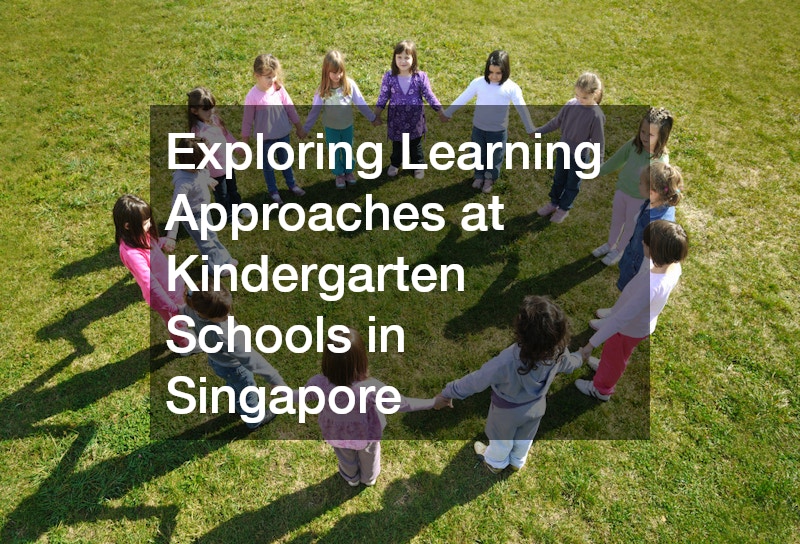
The learning approaches seen across kindergarten schools in Singapore often reflect this broader understanding of development. Play, inquiry, routine, language, creativity, and emotional support work together to create meaningful early experiences. For families considering early education options, understanding these approaches offers a clearer picture of how children can build confidence, curiosity, and a lasting enthusiasm for learning.