The exterior facade of a commercial building serves as the ultimate determining factor for a potential tenant’s perceived value of the property. Long before a prospective lessee steps into the lobby, reviews the floor plans, or shakes hands with the leasing agent, they have already made a subconscious judgment about the building’s worth based entirely on its exterior. A sleek, modern exterior with pristine, reflective surfaces commands higher lease rates, attracts elite corporate clientele, and communicates a standard of excellence. Conversely, a dated, degraded facade with foggy panes and pitted frames attracts low-tier offers and signals deferred maintenance. First impressions in commercial real estate are not just aesthetic concerns; they are direct financial indicators.
However, the hidden costs of aging infrastructure extend far beyond mere curb appeal. Aging facades do more than just look bad; they actively drain a property’s Net Operating Income (NOI). Outdated, single-pane units or those with failed thermal seals create massive energy inefficiencies, forcing heating and cooling systems to run constantly to maintain baseline comfort levels. Furthermore, the constant need for minor repairs, coupled with higher tenant turnover rates driven by uncomfortable working conditions, silently erodes profit margins. When tenants are uncomfortable, they do not renew their leases, leading to costly vacancy periods and the expensive process of securing new occupants.
This comprehensive guide is designed to walk property owners, facility directors, and asset managers through the strategic process of revitalizing their properties. We will explore how to thoroughly assess your current facade for structural and aesthetic flaws, upgrade your building envelope for maximum energy efficiency, and enhance tenant privacy without sacrificing natural light. Additionally, we will cover modernizing interior common areas to attract premium leases and establishing a rigid maintenance protocol to protect your capital investment. Upgrading your transparent infrastructure is not a vanity project; it is a calculated, high-return strategy to future-proof your asset.
Assessing the Financial ROI of Modern Facades
Before committing capital to any major renovation, property owners must understand the current state of their asset and how much value can realistically be extracted from an upgrade. A comprehensive assessment requires looking at the building through the eyes of both a prospective tenant and a strict financial auditor.
Evaluating Curb Appeal and Pedestrian Foot Traffic
The first step in any facade revitalization project is conducting a rigorous physical and aesthetic audit of the building’s exterior. This is not a cursory glance from the parking lot; it requires a methodical, documented walkthrough.
-
Varying Observation Times: Advise your facility management team to walk the property at different times of the day. A facade looks vastly different under the harsh midday sun than it does during the late afternoon. Glare, smudges, and internal condensation often only reveal themselves at specific angles of sunlight.
-
Spotting Glaring Flaws: Look for undeniable signs of degradation. Are there foggy panes indicating that the inert gas between the dual panes has escaped? Are the metallic frames oxidized, pitted, or chipped? Is the caulking around the perimeter cracking, shrinking, or pulling away from the masonry?
-
Evaluating the Pedestrian Experience: For mixed-use or retail-heavy buildings, stand on the sidewalk and look inward. Is the display area clear and inviting, or is the view obscured by scratched, aging materials?
When widespread aesthetic failure is present across multiple floors or the entire ground level, property managers should consult with reputable commercial glass companies to discuss large-scale modernization rather than patching a sinking ship. A cohesive, building-wide aesthetic upgrade drastically elevates a Class B property into a Class A contender, allowing you to aggressively adjust your price per square foot during the next leasing cycle.
Calculating Long-Term Payback Periods on Capital Improvements
Upgrading a building’s exterior is a significant Capital Expenditure (CAPEX). To justify the expense to stakeholders or ownership groups, you must build a robust framework for calculating the Return on Investment (ROI).
-
Factoring in Energy Savings: The most immediate financial return comes from decreased utility overhead. Modern glazing drastically reduces the load on your HVAC system. Calculate your current annual energy expenditure and apply the estimated percentage reduction (often 15% to 30%) provided by modern efficiency models.
-
Calculating Rent Premiums: Research comparable properties in your submarket that have recently undergone facade renovations. Determine the rent premium they are achieving. If upgrading allows you to increase rent by just two dollars per square foot on a 50,000-square-foot building, that is an additional $100,000 in annual gross revenue.
-
Asset Valuation Increase: Commercial real estate is valued based on its Net Operating Income divided by the market capitalization rate (Cap Rate). By simultaneously decreasing operating expenses (utilities) and increasing revenue (higher rents), you exponentially increase the total resale value of the building.
It is important to point out that utilizing targeted glass replacement for specifically degraded areas or storm-damaged sections can sometimes offer a faster payback period than gutting the entire exterior, depending heavily on the building’s age and overall structural health. A phased approach allows owners to manage cash flow while still reaping immediate valuation benefits.
Upgrading the Building Envelope for Energy Efficiency
The building envelope is the physical separator between the conditioned and unconditioned environment of a building. In commercial structures, the transparent portions of this envelope are traditionally the weakest links in thermal performance. Upgrading these elements is the most effective way to stabilize your building’s internal climate.
Identifying Drafts and Failing Thermal Seals
You cannot fix an energy leak if you do not know exactly where it is originating. While some drafts are obvious to the touch, the most expensive energy leaks are entirely invisible to the naked eye. Property managers must employ scientific troubleshooting tips to find areas where expensive HVAC air is escaping.
-
Thermal Imaging Audits: Hire an energy auditor or equip your maintenance team with a thermal imaging camera. These audits should be conducted during the extreme summer or winter months. The camera will highlight temperature differentials in bright colors, clearly showing where heat is bleeding out in the winter or radiating inward during the summer.
-
Smoke Pencil Testing: For a more localized test around specific frames, facility managers can use a smoke pencil on a windy day. Moving the pencil along the interior joints of the frame will instantly reveal micro-drafts if the smoke wavers or is blown horizontally.
-
Visual Inspection of Spacers: Look closely at the metal or plastic spacers separating the dual panes. If you see rust, warping, or a milky white residue streaking down the inside of the cavity, the desiccant inside the spacer is saturated, the seal has failed, and the unit is no longer providing thermal insulation.
If the thermal imaging and physical inspections reveal widespread seal failure, it is time to invest in comprehensive window replacement services to stabilize the building’s internal climate and slash utility bills. Continuing to operate a building with a compromised envelope is akin to running an air conditioner with the front door wide open; it is an unsustainable drain on your operating budget.
Selecting High-Performance Low-E Materials
When upgrading the building envelope, understanding modern glazing technologies is paramount. The industry has advanced lightyears beyond standard double-pane units, offering materials that actively manage solar energy.
-
Low-Emissivity (Low-E) Coatings: These are microscopically thin, transparent metallic layers applied directly to the glazing. In the summer, Low-E coatings reflect the sun’s long-wave infrared radiation (heat) back into the atmosphere while allowing visible light to pass through. In the winter, they reflect the radiant heat generated by your internal heating system back into the room, preventing it from escaping.
-
Argon and Krypton Gas Fills: Standard air is a poor insulator. Modern high-performance units replace the air between the panes with dense, inert gases like argon or krypton. Because these gases are heavier and denser than oxygen, they drastically slow down the transfer of heat through convection.
-
Thermally Broken Frames: Upgrading the glazing is useless if the aluminum frame surrounding it acts as a thermal bridge, conducting heat straight into the building. Thermally broken frames feature a reinforced polyamide strip between the interior and exterior aluminum profiles, completely severing the pathway for heat transfer.
Stress the importance of ensuring that the specialized window installers hired for the job are certified by the manufacturer. High-performance materials require incredibly precise, millimeter-perfect fitting and specialized perimeter caulking. Improper installation will compromise the inert gas seals, rendering the expensive technology useless and completely voiding the energy-saving benefits.
Enhancing Tenant Privacy and Comfort Without Sacrificing Light
One of the great paradoxes of modern commercial real estate is the desire for massive, floor-to-ceiling views combined with the need for a productive, comfortable work environment. While natural light is highly sought after, unregulated sunlight creates a host of operational nightmares for tenants.
Mitigating Harsh UV Rays and Solar Heat Gain
Property managers frequently field complaints from office tenants regarding unmanageable screen glare and localized “hot spots” in the building. A desk situated on the western elevation of a building might be highly desirable in the morning but become completely unworkable by 3:00 PM due to blinding glare and stifling heat.
-
Improving Employee Productivity: When employees are forced to wear sunglasses indoors or constantly adjust their monitors to avoid glare, productivity plummets. Furthermore, temperature fluctuations cause discomfort, leading to a constant battle over the office thermostat and resulting in erratic HVAC energy spikes.
-
Protecting Interior Assets: Unfiltered Ultraviolet (UV) light is incredibly destructive. Over just a few years, it will severely fade expensive corporate artwork, bleach hardwood flooring, and degrade the fabric on high-end office furniture.
-
Implementing Micro-Climate Control: Detail how applying high-grade commercial window tinting across the upper-level office facades reflects solar heat outward, significantly improving tenant comfort. Modern ceramic films can reject up to 80% of solar heat and block 99% of damaging UV rays without significantly darkening the room or altering the exterior aesthetics of the building.
By stabilizing the internal temperatures across all elevations of the building, you eliminate the hot and cold zones that plague large open-plan offices, reducing the mechanical load on the air conditioning system and increasing overall tenant satisfaction.
Securing Ground-Level Merchandise and Personnel
The ground floor of any commercial property presents a unique set of challenges. Whether the space is leased by a high-end retail boutique, a bank, or serves as the primary corporate lobby, tenants need to display merchandise or maintain an inviting, transparent aesthetic without exposing their staff and assets to security threats or prying eyes.
-
Deterring “Smash and Grab” Crime: Ground-floor retail spaces are highly vulnerable to forced entry. Standard glass shatters instantly upon impact, allowing criminals immediate access to high-value merchandise.
-
Privacy for Sensitive Operations: Ground-level medical facilities, financial institutions, or human resources departments require a degree of privacy from the foot traffic on the street. However, closing the blinds permanently creates a dungeon-like atmosphere that deters clients.
-
The Dual-Purpose Solution: Explain the dual benefits of applying durable storefront window tinting, which can offer anti-shatter security benefits against vandalism while also protecting expensive retail displays from rapid UV fading. Security-grade films are constructed from heavy-duty polyester layers and aggressive adhesives. While they cannot prevent the pane from breaking if struck with a heavy object, they hold the shattered pieces firmly in place, creating an impenetrable web that thwarts quick entry and protects bystanders from flying shards. Simultaneously, reflective or frosted variants of these films provide daytime privacy, allowing staff to see out while preventing pedestrians from seeing in.
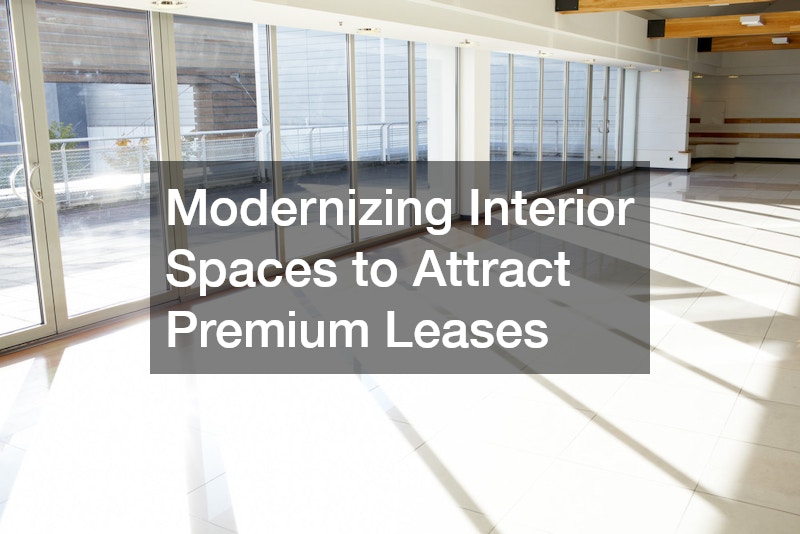
Modernizing Interior Spaces to Attract Premium Leases
While the exterior facade draws potential tenants onto the property, the interior aesthetics are what ultimately secure the lease signature. Modern corporate tenants, high-end fitness centers, and luxury salons expect interior spaces that promote wellness, collaboration, and a sense of expansive luxury. Upgrading your interior transparent features is a highly cost-effective way to completely transform the feel of a floor plan.
Elevating Common Areas, Lobbies, and Restrooms
High-paying corporate tenants expect luxury in the details. The common areas are extensions of their own corporate brand. If a CEO is hosting prospective clients, they want the building’s lobby, fitness centers, and executive restrooms to look immaculate, modern, and expansive.
-
The Psychology of Space: Dark, cramped lobbies create a feeling of claustrophobia and instantly date a building to the 1980s or 90s. Even if you cannot physically expand the square footage of a lobby, you can manipulate the perception of space using reflective surfaces.
-
Bouncing Natural Light: Strategic placement of reflective surfaces can draw natural sunlight from the exterior facade deep into the core of the building, reducing the need for harsh, artificial fluorescent lighting during the day.
-
Strategic Upgrades: Suggest specific upgrades, such as installing a massive, backlit custom mirror in the main lobby, elevator banks, or executive washrooms. This design choice instantly doubles the perceived size of the space, adds a touch of modern hospitality-tier luxury, and bounces natural light deeper into the building, creating a welcoming, vibrant atmosphere.
Transforming Divided Office Layouts Into Open Concepts
The era of the isolated, drywall cubicle farm is over. Modern businesses prioritize collaborative, agile work environments. When prospective tenants tour an older building heavily partitioned by opaque drywall, they immediately see the massive demolition and build-out costs required to make the space usable for their modern workforce.
-
Fostering Collaboration: Transparent interior dividers allow different departments to feel connected while still providing necessary physical separation. It allows leadership to maintain a visual pulse on the office environment without isolating themselves behind solid oak doors.
-
Acoustic Management: One of the main concerns with open-concept offices is noise pollution. Modern architectural glass provides the visual benefits of an open floor plan while utilizing laminated acoustic interlayers to drastically reduce sound transmission between conference rooms and the main floor.
-
Cost-Effective Retrofitting: Note that if an older building already has dated, frosted interior partitions or heavy wooden doors, utilizing targeted replacement window services to swap them out for frameless, sound-dampening acoustic panels is a highly cost-effective way to modernize a floor plan. This targeted upgrade allows property managers to offer a “move-in ready” modern aesthetic without the staggering expense of a complete, stud-level gut renovation.
Establishing Long-Term Maintenance Protocols for Lasting Value
Capital improvements are significant financial undertakings. Once the money is spent and the upgrades are installed, property owners must implement rigorous protocols to protect that investment. Neglecting a newly upgraded facade will lead to premature degradation, voided warranties, and a rapid decline in the property’s newly elevated value. Preventative maintenance is always exponentially cheaper than reactive emergency repairs.
Preserving Seal Integrity Through Preventative Inspections
The structural integrity of your building envelope is not static. Buildings settle, materials expand and contract with seasonal temperature shifts, and extreme weather events take a toll on exterior sealants. Capital improvements require ongoing, vigilant protection.
-
Bi-Annual Audits: Outline a strict schedule for bi-annual physical inspections of all exterior frames, caulking, and weatherstripping. These inspections should ideally occur in the mild seasons—spring and autumn—to prepare the building for the extreme temperature swings of summer and winter.
-
Identifying Micro-Fractures: Trained maintenance personnel should look for hairline cracks in the perimeter silicone, signs of pooling water on the sill tracks, and any degradation of the rubber gaskets securing the panes. Catching a micro-fracture before the freeze-thaw cycle of winter hits can save thousands of dollars in water damage.
-
Strategic Partnerships: Recommend keeping a reliable window contractor on retainer so that any small cracks or compromised seals identified during these audits can be addressed immediately. A professional contractor will have the specific industrial sealants required to patch the envelope, preventing moisture from rotting the surrounding infrastructure and protecting the long-term structural health of the building.
Scheduling Routine Exterior Washing Schedules
The urban environment is incredibly hostile to exterior building materials. What appears to be simple dirt is often a corrosive mixture of atmospheric pollutants that will actively destroy your facade if left unattended.
-
The Threat of Urban Smog: City air is filled with exhaust particulates, industrial emissions, and airborne oils. When this smog settles on exterior surfaces and bakes in the sun, it creates a stubborn, acidic film.
-
Hard Water and Acid Rain: Rainwater often mixes with atmospheric pollutants to create mild acid rain. Furthermore, water runoff from precast concrete or masonry carries dissolved minerals (like calcium and magnesium) down onto the glass below. When this water evaporates, it leaves behind mineral deposits. If these hard water stains are left on the surface for too long, they will permanently etch and ruin the expensive materials, requiring complete replacement rather than just a simple wash.
-
Automated Maintenance Contracts: Advise building managers to set up automated, recurring contracts with professional commercial window cleaning companies to ensure the exterior remains pristine. Using specialized deionized water systems and non-abrasive techniques, these professionals remove corrosive elements safely. Regular cleaning protects the manufacturer’s warranty of the materials and maintains the building’s premium curb appeal year-round, ensuring that your asset always presents its highest possible value to the market.
Conclusion
Upgrading a commercial property’s facade and modernizing its interior transparent features should never be viewed merely as a vanity project or a superficial facelift. It is a direct, highly measurable investment in the asset’s capitalization rate, net operating income, and overall market valuation. By aggressively addressing energy inefficiencies, enhancing tenant comfort and security, and elevating the interior aesthetics to meet modern corporate standards, property owners position their buildings to command premium lease rates and attract the highest tier of clientele.
It is vital to remember that property owners do not have to tackle the entire building in a single, overwhelming project. Phasing the upgrades over several fiscal quarters—starting with the most energy-inefficient floors, the most visible ground-level retail spaces, or the highest-traffic common areas—allows for manageable budgeting and controlled cash flow while still yielding immediate, tangible benefits. Every pane replaced and every frame sealed is a step toward a more profitable, sustainable asset.
Take control of your building’s market trajectory today. Prompt your facility management team to take a walk around the property’s perimeter this week. Have them take detailed photos of the most degraded exterior areas, draft a report on tenant climate complaints, and begin compiling a priority list for your next capital improvement meeting. The longer an aging facade goes unaddressed, the more revenue it silently drains. Start the revitalization process now to secure the long-term value and prestige of your commercial real estate investment.