Facing a severe illness, a traumatic bodily injury, or a long-term degenerative condition is one of the most profound challenges a person can experience. When your physical capabilities are suddenly restricted, it is entirely normal to feel a deep sense of overwhelm, grief, and frustration. The human body is a spectacularly complex machine, and when it sustains significant damage, the path to healing is rarely a straight, predictable line. Instead, recovery often involves unexpected plateaus, sudden flare-ups, and an emotional toll that can be just as exhausting as the physical symptoms themselves.
Adding to this stress is the reality of the modern healthcare system, which is often highly fragmented. Patients are frequently bounced from one department to another, burdened with the task of repeating their medical history, carrying their own imaging discs, and trying to make sense of conflicting medical jargon. It is easy to feel like you are lost in a maze without a map.
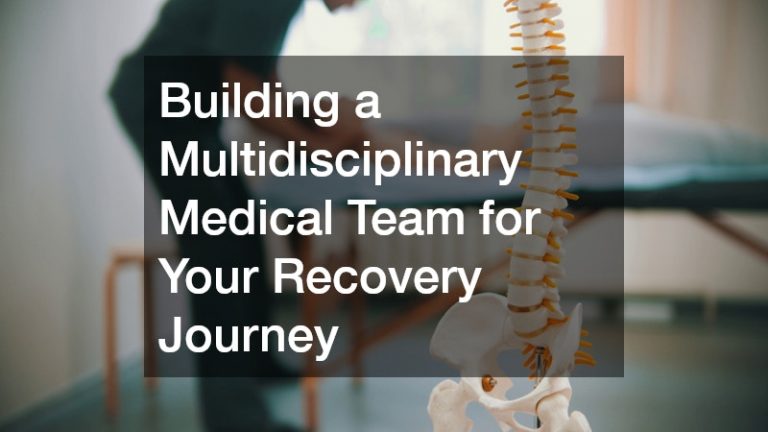
However, you do not have to navigate this journey alone, nor should you rely on a single physician to handle every facet of your complex recovery. The most successful and sustainable recoveries are driven by a cohesive, multidisciplinary team of specialists. By assembling a diverse group of experts who communicate with one another and focus on different aspects of your well-being, you can address structural damage, manage pain, restore mobility, and protect your mental health. This comprehensive guide will show you how to take on the role of CEO for your own health, providing you with actionable strategies to assemble, manage, and advocate for your ultimate recovery squad.
Establishing Your Baseline and Finding the Right Specialists
The initial aftermath of a severe injury or the onset of a debilitating condition is often chaotic. Before you can begin the heavy lifting of rehabilitation, you must first establish a clear, accurate understanding of what exactly is wrong. This diagnostic phase forms the foundation upon which your entire multidisciplinary team will be built.
Assess Your Initial Symptoms Thoroughly Before Seeking Referrals
To get the best care, you must become an expert in your own symptoms. Medical professionals rely heavily on patient reporting to point them in the right direction. Before you even begin seeking out specialists, it is critical to document your daily physical experiences meticulously.
-
Maintain a daily symptom journal: Do not rely on your memory during brief medical appointments. Write down when your pain peaks, what specific activities trigger your symptoms, and how your sleep is being affected.
-
Use the pain scale effectively: Instead of just saying it hurts, describe the quality of the pain. Is it sharp, dull, burning, tingling, or throbbing?
-
Document mobility limitations: Note exactly what you cannot do today that you could do before the injury. Can you lift your arm above your shoulder? Can you bear weight on your left leg for more than a minute?
Armed with this detailed information, your first step is usually through primary care. Standard doctor offices serve as the essential first stop and communication hub for your recovery journey. Your primary care physician will review your baseline symptoms, run initial blood panels or basic tests, and most importantly, provide the vital referrals needed to connect you with highly specialized experts.
Demand Comprehensive Imaging for Joint and Bone Trauma
If your injury involves suspected fractures, deep joint pain, or soft tissue tears, standard diagnostic tools might not be enough to reveal the full picture. A basic X-ray is excellent for spotting obvious bone breaks, but it is practically useless for identifying torn cartilage, ruptured ligaments, or herniated discs.
-
Advocate for advanced scans: If your pain is severe and unyielding, ask your provider if a Magnetic Resonance Imaging (MRI) or Computed Tomography (CT) scan is appropriate. These tools provide a three-dimensional view of your internal structures.
-
Gather your records: Always request physical copies or digital files of your imaging. Having your own copies empowers you to seek second opinions without waiting for administrative transfers.
Once you have comprehensive imaging, your primary care provider will likely guide you toward specialists who can interpret these complex results. Researching and vetting local orthopedic doctors is a critical next step. These musculoskeletal experts will evaluate your advanced scans to determine the precise structural integrity of your bones and joints, diagnosing everything from subtle micro-fractures to massive ligamentous trauma, thereby setting the stage for your specific treatment plan.

Navigating Surgical Interventions and Foundational Healing
There are times when conservative measures are simply not enough. When bones are shattered or tendons are completely severed, physical manipulation and rest cannot bridge the gap. In these scenarios, surgical intervention becomes the mandatory first phase of your active recovery, followed by a period of profound foundational healing.
Prepare Your Body and Home for Operative Procedures
The prospect of going under the knife is intimidating, but proper preparation can significantly reduce anxiety and vastly improve your postoperative outcomes. Preparing for an operation is not just about the surgery itself; it is about setting up your environment for the vulnerable days that follow.
-
Optimize your living space: Before you leave for the hospital, rearrange your home. Remove tripping hazards like loose rugs, set up a recovery station on the ground floor to avoid stairs, and ensure essential items like medications, water, and chargers are within arm’s reach.
-
Engage in “pre-habilitation”: If you have time before your procedure, work on strengthening the uninjured parts of your body. If you are having knee work done, strengthening your upper body and opposite leg will make using crutches much easier.
-
Understand the procedure entirely: Do not be afraid to ask your surgeon to draw diagrams or explain the mechanics of what they will be doing.
Knowing exactly what to expect helps demystify the process. Your surgical team will evaluate your imaging and determine if orthopedic surgery is the safest and most effective route to repair the structural damage. If it is required, this procedure acts as the mechanical reset your body needs, stabilizing the framework so that subsequent therapies have a solid foundation to build upon.
Rebuild Your Stamina Before Tackling Heavy Exercise
A frequently overlooked consequence of severe trauma and major surgery is the dramatic loss of overall cardiovascular endurance. Extended bed rest, the physical shock of an operation, and the sedating effects of powerful medications can severely compromise your stamina.
-
Start with breathwork: Before you can walk or lift, you must ensure your lungs are fully expanding. Practice deep diaphragmatic breathing exercises to prevent postoperative pneumonia and re-engage your core.
-
Focus on circulation: Even if you are confined to a bed, performing simple ankle pumps and gentle stretches can promote blood flow, reducing the risk of deep vein thrombosis.
If your injury involved trauma to the chest, required prolonged time on a ventilator, or resulted in months of strict inactivity, standard mobility exercises might be too taxing at first. In these instances, you may need to participate in structured cardiopulmonary rehab. This highly specialized program safely monitors your heart rate, blood pressure, and oxygen levels while gradually reintroducing your body to cardiovascular stress, ensuring your heart and lungs are strong enough to support the heavier physical demands of the next stage of recovery.
Restoring Mobility Through Targeted Movement
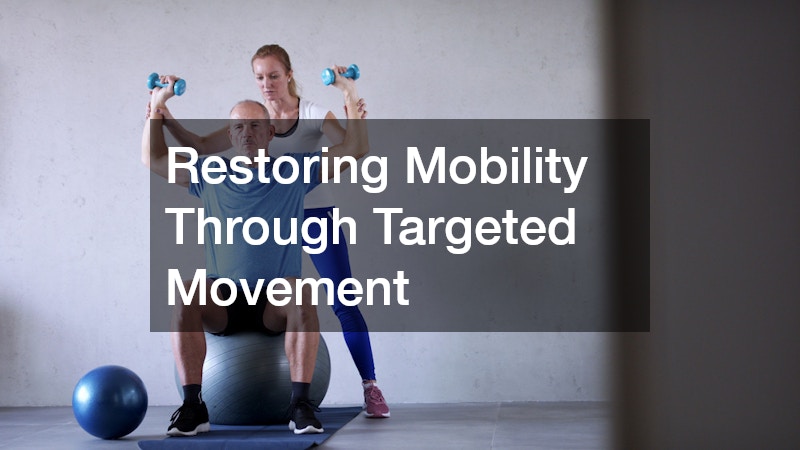
Once your structural damage is stabilized and your foundational stamina is restored, you enter the most physically demanding phase of recovery: restoring mobility. This is the stage where passivity ends, and active, targeted movement becomes your primary medicine.
Commit to a Consistent Reconditioning Schedule
The reality of restoring mobility is that it requires immense grit. Tissues that have been immobilized will become stiff, and muscles that have not been used will atrophy. Breaking through scar tissue and rebuilding strength is rarely a comfortable process, but it is absolutely vital for regaining your independence.
-
Embrace the discomfort of growth: Understand the difference between the sharp, dangerous pain of an injury and the dull, aching discomfort of stretching tight tissues. You will need to push through the latter to see progress.
-
Do your homework: Your time spent with specialists is only a fraction of your recovery. You must religiously perform the at-home exercises prescribed to you to maintain the gains achieved during your clinical sessions.
-
Focus on functional movement: The goal is not just to lift a certain weight, but to retrain your body to perform daily tasks safely—like reaching for a high shelf, bending to tie a shoe, or walking up a flight of stairs without a limp.
To achieve these goals, your team will guide you through a diverse regimen of physical therapies. These sessions are tailored specifically to your exact deficits and may include a blend of manual tissue massage, guided resistance training, balance exercises, and modalities like heat or electrical stimulation. The consistency you bring to these sessions directly correlates with the quality of your final physical outcome.
Address Trauma-Induced Structural Imbalances Promptly
When you sustain a severe injury to one part of your body, the rest of your body naturally compensates. If your right knee hurts, you will subconsciously shift your weight to your left hip. Over weeks and months, these subtle compensations create a domino effect of secondary pains and severe structural imbalances that can derail your overall recovery.
-
Monitor secondary pain points: Pay close attention if you suddenly develop tension headaches, lower back spasms, or shoulder stiffness that seems unrelated to your primary injury.
-
Correct your posture: Trauma often causes us to hunch over or protect the injured area. Work consciously to reset your posture throughout the day to prevent chronic muscle shortening.
These biomechanical chain reactions are especially common following high-impact collisions. The sudden, violent force of a crash often throws the skeletal system drastically out of alignment. If you are struggling with these systemic imbalances, bringing an auto accident chiropractor onto your multidisciplinary team can be highly effective. They specialize in assessing the unique rotational forces and whiplash mechanisms of vehicular trauma, providing targeted adjustments that relieve nerve pressure and realign the skeletal system so your muscles can function properly.
Managing Chronic Discomfort Safely and Effectively
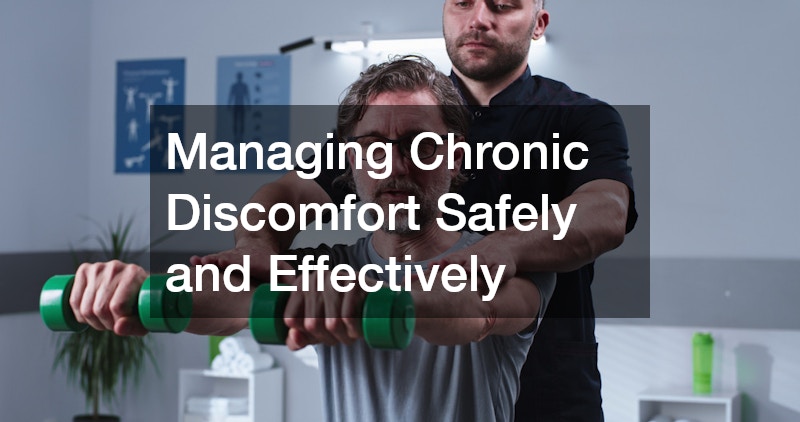
Perhaps the most exhausting aspect of a long-term recovery journey is dealing with persistent, daily discomfort. Pain is your body’s alarm system, but when that alarm continues ringing for months on end, it drains your energy, disrupts your sleep, and drastically impacts your mental health. Managing this safely requires looking beyond standard pill bottles.
Explore Non-Narcotic Options for Neuralgia and Aches
In the immediate days following a severe trauma or surgery, powerful narcotic painkillers are often necessary. However, relying on opioids for long-term chronic discomfort is dangerous, carrying severe risks of dependency and diminishing returns as your body builds a tolerance.
-
Discuss localized treatments: Talk to your medical team about options that target the specific site of the pain rather than flooding your entire nervous system.
-
Consider nerve blocks: For sharp, shooting nerve pain, specific medical injections can temporarily “turn off” the pain signals traveling from the injured area to your brain.
-
Utilize topical compounds: Prescription-strength anti-inflammatory creams and patches can provide significant relief for superficial joint and muscle aches without systemic side effects.
When over-the-counter medications and basic interventions fail to provide adequate relief, it is time to escalate your care strategy. You should request a referral to a dedicated pain management clinic. These facilities employ specialized doctors who focus exclusively on chronic suffering. They utilize advanced, minimally invasive techniques—such as epidural steroid injections, radiofrequency ablation, or specialized nerve medications—to lower your pain to a manageable level so you can comfortably participate in your movement-based rehabilitation.
Integrate Holistic and Eastern Medicine Practices
Western medicine is unparalleled in its ability to handle acute trauma and complex surgeries. However, when it comes to the lingering, chronic discomfort of a healing nervous system, integrating alternative, holistic practices can provide incredible, non-chemical relief.
-
Acknowledge the mind-body connection: Chronic pain puts your nervous system into a state of constant “fight or flight.” Practices like guided meditation, breathwork, and mindfulness can help down-regulate your nervous system, which actually lowers your physical perception of pain.
-
Explore soft tissue manipulation: Deep tissue massage, myofascial release, and cupping can drastically improve blood flow to injured areas, flushing out cellular waste and bringing in vital nutrients needed for healing.
Many patients find that complementing their standard medical care with traditional Eastern modalities yields the best results. For example, consulting an experienced acupuncturist doctor can be a game-changer for localized muscle spasms and nerve pain. By strategically inserting ultra-fine needles into specific anatomical points, this ancient practice stimulates the body’s central nervous system, promoting the release of natural, pain-relieving endorphins and improving localized circulation to stubborn, slow-healing injuries.

Maintaining Alignment and Long-Term Wellness
As your acute pain subsides and your mobility returns, you will enter the final, and arguably most important, phase of your journey: long-term maintenance. Recovery does not end the day you are discharged from your primary specialist; it evolves into a lifelong commitment to preserving the progress you have worked so hard to achieve.
Listen to Your Body’s Changing Biomechanical Needs
As you transition back to your normal daily activities, your body will continuously adapt. You will no longer be under the constant, watchful eye of a medical team, which means you must become acutely attuned to the signals your body is sending you.
-
Differentiate between types of pain: You must learn to distinguish between “good pain” (the normal muscle fatigue and soreness that comes from building strength) and “bad pain” (sharp, localized joint degradation or a regression to your previous injury symptoms).
-
Pace your return to activity: Do not jump straight back into your old workout routines or heavy physical labor. Gradually increase your load by 10% each week to see how your newly healed tissues respond.
-
Invest in ergonomic support: Evaluate your daily environment. Ensure your office chair supports your lumbar spine, your shoes provide adequate arch support, and your mattress is conducive to neutral spinal alignment.
Even with the best ergonomic practices, returning to a fully active lifestyle can occasionally cause old injuries to flare up or shift your skeletal alignment. Finding a reliable chiropractic clinic near your home provides you with a dedicated space to address these minor setbacks before they snowball into major physical regressions. Regular assessments can ensure that your joints remain properly mobilized and your spine stays aligned as you increase your physical demands.
Transition from Acute Care to Ongoing Maintenance
The ultimate goal of any multidisciplinary team is to render themselves obsolete for your daily survival, transitioning you from a patient who needs acute interventions to an active individual practicing preventative care.
-
Develop a lifelong home routine: Take the most effective stretches and strengthening exercises from your rehabilitation phase and weave them into your permanent morning or evening routine.
-
Schedule periodic check-ins: Just as you visit a dentist for routine cleanings to prevent cavities, you should schedule periodic check-ins with your physical therapists or specialists to monitor your long-term joint health.
-
Stay active and hydrated: The best defense against future injury is a strong, well-hydrated, and consistently moving body. Motion is lotion for your joints.
As you taper off from intensive, weekly medical appointments, proactive care becomes your best tool for longevity. Many individuals find that utilizing routine chiropractic services on a monthly or quarterly basis, combined with occasional massage therapy and consistent home exercise, is the perfect formula to keep their body resilient, balanced, and fully capable of handling whatever physical challenges life presents next.
Conclusion
The journey back from a severe physical setback is undoubtedly one of the most demanding trials you will ever face. It requires patience when you want immediate results, discipline when you feel exhausted, and the courage to advocate for yourself in complex medical environments. You will experience days where progress feels non-existent, but true healing is cumulative, built upon the small, consistent actions you take day after day.
By viewing yourself not as a passive recipient of medical care, but as the active manager of your own recovery, you fundamentally change the trajectory of your healing. Assembling a multidisciplinary team means you are no longer relying on a single perspective. You are leveraging the precise skills of surgeons, therapists, movement specialists, and pain experts, all working in concert to rebuild your strength, alleviate your suffering, and restore your independence.
Remember that you hold the power to ask questions, request second opinions, and demand that your providers communicate with one another. When you surround yourself with the right expertise, commit to the daily work of rehabilitation, and remain deeply attuned to your body’s evolving needs, you are not just recovering from an injury—you are actively constructing a stronger, more resilient version of yourself for the future.