

Creating a dream home through thoughtful renovation starts with more than surface-level upgrades. It involves understanding how each improvement supports comfort, functionality, and long-term value. From structural systems to behind-the-scenes infrastructure, renovation decisions shape how a home performs day after day. When planning is intentional, renovations feel cohesive rather than piecemeal, allowing the finished space to reflect both lifestyle needs and future goals.
A successful renovation balances vision with practicality. Homeowners who take time to consider how different systems interact often avoid costly revisions later. By addressing protection, functionality, and core utilities early, renovation projects are better positioned to move forward smoothly and deliver results that feel lasting and well-integrated.
Thoughtful renovation also considers how a home will be used over time. Family size, daily routines, and long-term plans all influence which upgrades matter most. A space that works well today should also adapt to changing needs without constant rework. This forward-looking approach helps homeowners prioritize updates that add meaningful value rather than short-term appeal.
Clear planning supports better communication among everyone involved in the project. When goals and expectations are defined early, decisions become easier and timelines more predictable. This level of preparation reduces stress during construction and helps the renovation stay aligned with the original vision.
Protecting Your Renovation Investment
Any major renovation represents a significant investment, making protection a key consideration from the start. Unexpected events, construction risks, or future damage can undermine even the most carefully planned upgrades. Thinking about protection early helps homeowners safeguard both the renovation process and the finished result, reducing uncertainty as work progresses.
Home insurance plays an important role in protecting renovation investments by providing coverage that aligns with updated property value and new improvements. Reviewing coverage before and after renovation helps confirm that additions, system upgrades, and structural changes are properly accounted for. This step supports financial security and allows homeowners to move forward with greater confidence as their renovation takes shape.
Beyond financial considerations, protection also influences decision-making throughout the project. Knowing that coverage reflects the current state of the home allows homeowners to focus on quality choices rather than worrying about potential setbacks. This can encourage better materials, improved systems, and thoughtful design solutions.
Protection planning also supports long-term peace of mind. Once the renovation is complete, updated coverage helps the home remain protected as it ages and as conditions change. By addressing protection as part of the renovation strategy, homeowners create a stronger foundation that supports both immediate improvements and future stability.
Addressing Plumbing Systems Early

Plumbing systems form the backbone of daily comfort and functionality in any home. Renovations that involve kitchens, bathrooms, or layout changes often place additional demands on existing pipes and connections. Addressing plumbing considerations early allows potential issues to be identified before walls are closed and finishes are installed.
Working with plumbers during the early planning phase supports proper evaluation of pipe condition, layout efficiency, and system capacity. This approach allows upgrades or adjustments to be completed alongside other renovation work, reducing disruption later. Thoughtful attention to plumbing systems helps support reliable performance and prevents small issues from becoming larger concerns once the renovation is complete.
Early plumbing planning also helps coordinate other renovation elements more effectively. Appliance placement, fixture selection, and room layouts often depend on water supply and drainage locations. When these factors are addressed upfront, design decisions feel more intentional and practical.
Taking time to assess plumbing early can also improve long-term maintenance. Updated layouts and accessible connections make future repairs easier and less invasive. By prioritizing plumbing systems at the beginning of a renovation, homeowners support consistent performance and create a more dependable living environment for years to come.
Incorporating Wellness Features
Modern renovations increasingly focus on comfort features that support relaxation and well-being. Wellness elements can transform a home into a place that not only functions efficiently but also promotes balance and restoration. These additions often become personal retreats, offering homeowners a way to unwind without leaving their living space.
Saunas are one example of a wellness feature that can be thoughtfully integrated into a renovation plan. When planned early, these installations can be designed to fit seamlessly within bathrooms, basements, or dedicated wellness rooms. Proper placement, ventilation, and electrical planning allow the feature to feel like a natural extension of the home rather than an afterthought, supporting long-term enjoyment and usability.
Incorporating wellness features also encourages healthier daily routines. Spaces designed for relaxation can help reduce stress, improve recovery after physical activity, and support mental well-being. When these features are easily accessible within the home, they are more likely to be used consistently, increasing their overall value to the homeowner.
Thoughtful design helps wellness features blend with the overall aesthetic of the renovation. Materials, lighting, and layout choices can enhance the calming atmosphere while maintaining visual continuity with surrounding spaces. By treating wellness elements as integral components rather than luxury add-ons, homeowners create environments that support comfort, balance, and long-term quality of life.
Repairing and Maintaining Existing Roofing

Before moving forward with major interior or exterior upgrades, it is important to evaluate the condition of the roof. The roof protects every improvement beneath it, making its condition central to the success of a renovation. Addressing existing wear helps prevent damage that could compromise new finishes or systems.
Roof repair allows homeowners to resolve localized issues such as leaks, damaged shingles, or flashing concerns before they escalate. Taking care of these problems early supports structural protection and helps renovations progress without interruption. Maintaining the roof during renovation also helps extend its service life, allowing homeowners to focus on other upgrades with greater confidence.
Replacing Aging Roofing Materials
In some renovation projects, repairs alone may not be enough to support long-term goals. When roofing materials show widespread wear or no longer meet performance expectations, replacement becomes an important consideration. A new roof can improve protection, efficiency, and overall appearance while supporting the home’s updated design.
Working with a residential roofer during this phase helps confirm that replacement decisions align with renovation plans. Proper material selection, installation timing, and coordination with other exterior upgrades allow the new roof to integrate smoothly with the rest of the project. Replacing aging roofing materials at the right time helps protect the home’s investment and supports lasting renovation results.
Managing Heating and Cooling Comfort
Comfort plays a major role in how enjoyable a renovated home feels year-round. Heating and cooling systems influence indoor temperature, air quality, and overall livability, making them a central consideration during renovation planning. When comfort is consistent throughout the home, daily routines feel easier and spaces are more inviting.
AC companies support this goal by helping homeowners evaluate existing systems and determine whether upgrades or adjustments are needed. Proper sizing, placement, and system performance all affect how efficiently a home maintains comfortable temperatures. Addressing cooling needs during renovation allows improvements to be integrated smoothly with updated layouts and finishes.
Effective temperature management also contributes to energy efficiency. Systems that are properly matched to the home’s size and insulation levels tend to operate more consistently, reducing unnecessary strain. This can lead to more predictable indoor conditions and fewer fluctuations that affect comfort.
Renovations often change how air moves through a home. Open layouts, added rooms, or improved insulation can alter airflow patterns, making system adjustments necessary. Evaluating these changes during renovation helps confirm that comfort is evenly distributed across living areas rather than concentrated in specific rooms.
By addressing heating and cooling comfort early, homeowners create environments that remain comfortable across seasons. This approach supports both immediate enjoyment and long-term satisfaction, allowing the renovated space to function as intended without ongoing temperature-related concerns.
Installing Updated HVAC Systems
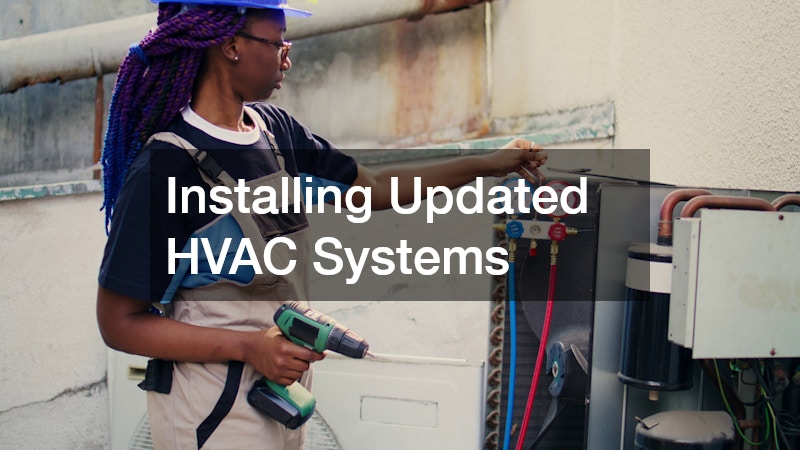
As renovation plans expand, older systems may no longer meet the demands of the updated space. New layouts, added square footage, or improved insulation can change how heating and cooling systems need to operate. Installing updated systems helps support efficiency, reliability, and consistent performance throughout the home.
An HVAC installer plays a key role in aligning system upgrades with renovation goals. Careful planning helps confirm that new equipment fits the home’s needs and integrates with existing ductwork or redesigned spaces. When installation is coordinated with other renovation work, disruptions are minimized and long-term performance is improved.
Improving Outdoor Water Management
Outdoor systems are often overlooked during renovations, yet they play an important role in protecting landscaping and supporting overall property functionality. Proper water management helps maintain healthy outdoor spaces while preventing issues such as runoff or uneven watering that can affect plant growth.
A sprinkler system can be updated or redesigned to align with new landscaping or outdoor layouts created during renovation. Thoughtful placement and zoning help water reach the right areas efficiently without waste. Improving outdoor water management alongside other upgrades helps create a balanced property that looks cohesive and functions well inside and out.
Planning Independent Water Sources
Some renovation projects include considerations beyond municipal utilities, especially for properties in rural or expanding areas. Planning for independent water sources can support flexibility, reliability, and long-term property value. When water access is dependable, homeowners gain greater control over daily use and future expansion.
A water well driller supports this planning by helping assess site conditions and water availability before installation. Proper placement and depth planning help confirm consistent water access while aligning with renovation timelines. Integrating independent water sources during renovation helps avoid future disruptions and supports a home’s long-term functionality.
Independent water planning also allows homeowners to think ahead about future needs. Larger households, added bathrooms, outdoor features, or agricultural uses can place greater demand on water systems over time. By addressing water access during renovation, homeowners can size systems appropriately instead of making reactive changes later.
Incorporating water planning early also supports coordination with other systems such as plumbing, irrigation, and waste management. When water access is clearly defined, related systems can be designed more efficiently. This approach reduces unexpected adjustments and helps create a more resilient home infrastructure that supports comfort and reliability well into the future.
Maintaining Essential Waste Systems

Waste management systems are a critical yet often unseen part of a home’s functionality. Renovations that add bathrooms, expand living areas, or increase occupancy place additional demand on existing waste systems. Addressing these systems during renovation helps prevent performance issues after upgrades are complete.
Septic pumping supports proper system function by helping maintain capacity and prevent backups. Scheduling service during renovation allows homeowners to assess system condition and address potential concerns before increased use begins. Proactive waste system maintenance supports a smoother renovation process and helps protect the home’s overall infrastructure.
Renovation projects often involve temporary increases in system use, especially when additional workers are on-site or plumbing changes are underway. Ensuring waste systems are properly maintained during this period helps avoid delays caused by unexpected system failures. This preparation supports smoother construction timelines and fewer interruptions.
Long-term system performance is also influenced by how well waste systems are maintained during periods of change. By addressing waste management proactively, homeowners reduce the risk of costly repairs and extend system lifespan. This careful attention supports a renovation that improves both daily living and long-term reliability.
Final Thoughts
Creating a dream home through thoughtful renovation requires attention to more than finishes and aesthetics. Each system within the home plays a role in comfort, performance, and long-term value. By addressing structural protection, utilities, comfort systems, and essential infrastructure throughout the renovation process, homeowners build a space that supports daily living as well as future needs.
When renovations are approached with careful planning and coordination, improvements feel cohesive rather than fragmented. Taking time to address systems in the right order helps reduce complications and supports lasting results. This approach allows homeowners to focus on design choices with confidence, knowing the underlying systems can support them.
Thoughtful renovation also encourages long-term satisfaction. Homes that function well behind the scenes are easier to maintain and adapt over time. By prioritizing planning and system integration, homeowners reduce the likelihood of future disruptions and unexpected expenses.
Ultimately, a successful renovation blends vision with practicality. When each improvement is considered as part of a larger whole, the result is a home that not only looks inviting but performs reliably.